Budapestem
My first encounter with Budapest dates back to my primary school years, when I was around nine or ten, through The Paul Street Boys, a book I read at that age. I did not know then that this unforgettable 1906 novel by Ferenc Molnár actually takes place in Budapest. In my imagination, it unfolded in a city where children ran through empty lots, much like the neighborhoods of my childhood in Türkiye. Many years later, I learned that those playgrounds and streets belonged to Budapest.

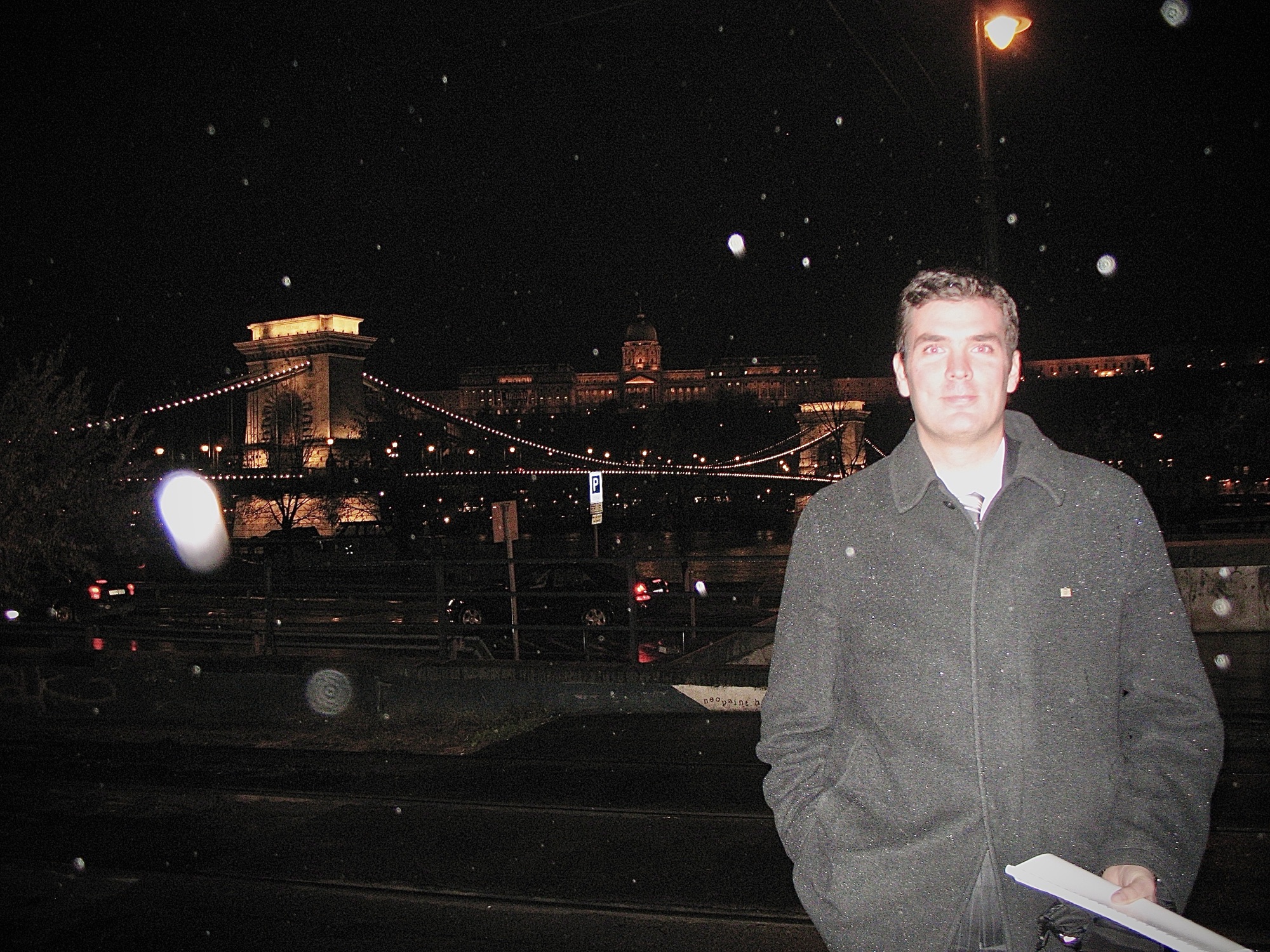
My first visit to Budapest was in 2004. It was the first European city I had ever visited, and it impressed me deeply. At that time, Hungary had not yet joined the European Union. The country had only recently shaken off the Soviet influence. The city bore marks of different eras: the splendor of the imperial period, the mass housing blocks built during socialism, and the modern buildings constructed after the 1990s. Not only the architecture but the overall cultural transformation was palpable. This historical richness fascinated me, yet it also created a subtle sense of cultural estrangement.
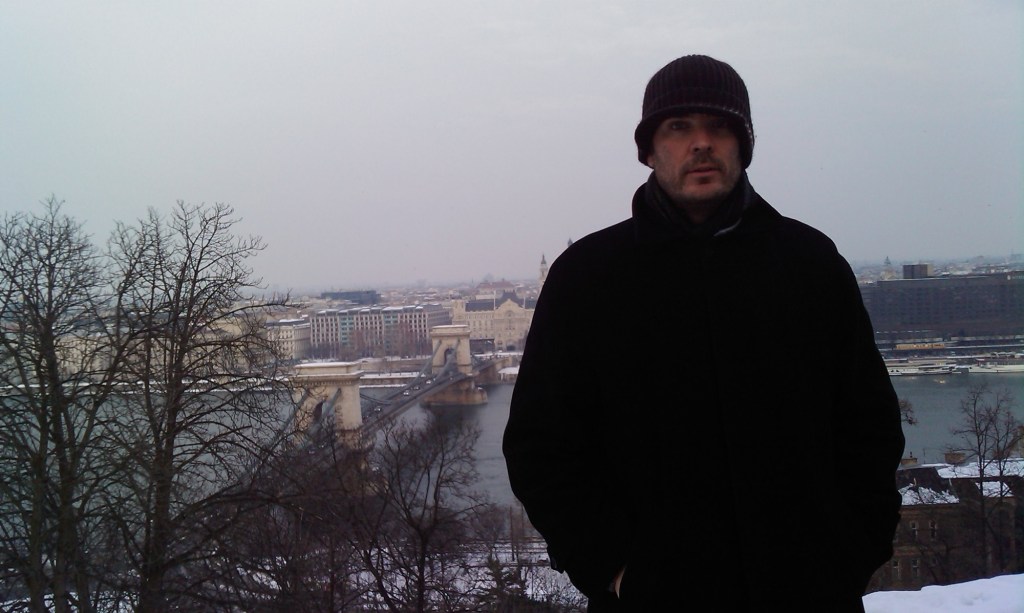
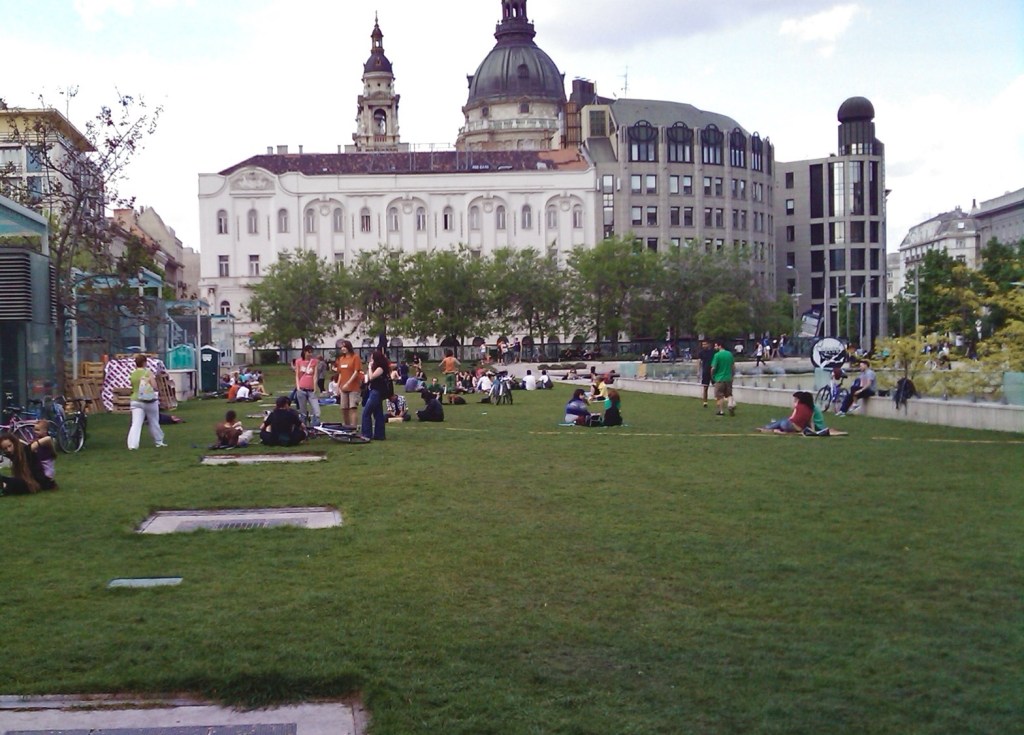
With my colleague, we immediately set out to explore the main points of the city. I remember walking for hours and hours without stopping. Deák tér, Váci Street, the Castle District, Fisherman’s Bastion, Heroes’ Square, and the Basilica were the first stops, each more captivating than the last. Looking out from the Buda Castle’s garden toward the Danube and Pest side was a magnificent experience in its own. After the Castle, we crossed the Széchenyi Chain Bridge to the Pest, strolled along Váci Street, and ended the day lying on the grass in Elisabeth Park at Deák tér to shake off our exhaustion. Smartphones had not yet entered our lives; we navigated the entire city with a an old type film camera and a city map.
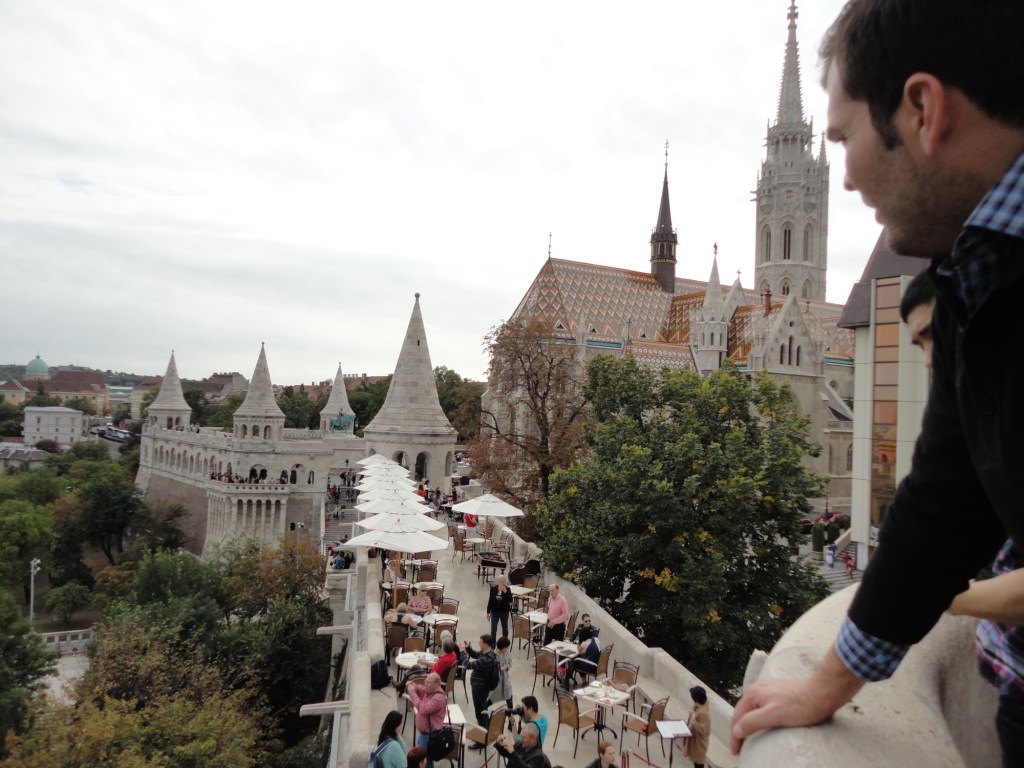

Despite the grandeur of those avenues and elegant buildings, the food and service in the cafés and restaurants were surprisingly mediocre. There were few cafés to begin with. I remember finding myself in Anna Café on Váci Street—a place familiar to nearly every Turk visiting Budapest in those years. Yet Budapest had been a celebrated café city for centuries. Although some of the grand 19th-century cafés like Gerbeaud, Centrál, Művész, and New York Café had reopened, the service sector was still recovering. Mediocrity dominated the city. The presence of homeless people was noticeable, and although the city was clean, the lack of maintenance on many buildings was striking. Some apartment buildings, resembling miniature palaces, looked almost abandoned due to their worn facades and silent courtyards. Rapid liberalization after the 1990s had reduced oversight in many areas. Public transport was excellent, yet if you needed a taxi, the likelihood of getting scammed was high.

There are cities one loves to visit repeatedly as a tourist but would never want to live in; and cities one would love to live in but not visit as a tourist. Budapest, at that time, definitely fell into the first category for me. After 2004, I visited Budapest every year. Some years I stayed 5–10 days, some years 1–2 months. For two years, I spent most of the year living there. The grand streets remained unchanged, but the spirit of the city transformed completely over the course of twenty years. Buildings were restored while preserving their original façades. Elegant restaurants began serving gourmet dishes. Tourism grew exponentially; in central districts, one could hear many languages other than Hungarian. Service quality improved dramatically. Historic cafés regained their former glory, and new stylish cafés opened across the city. Public transportation, already good, became even better. Today, Budapest is not only a city I enjoy revisiting, but one I could easily imagine living in.
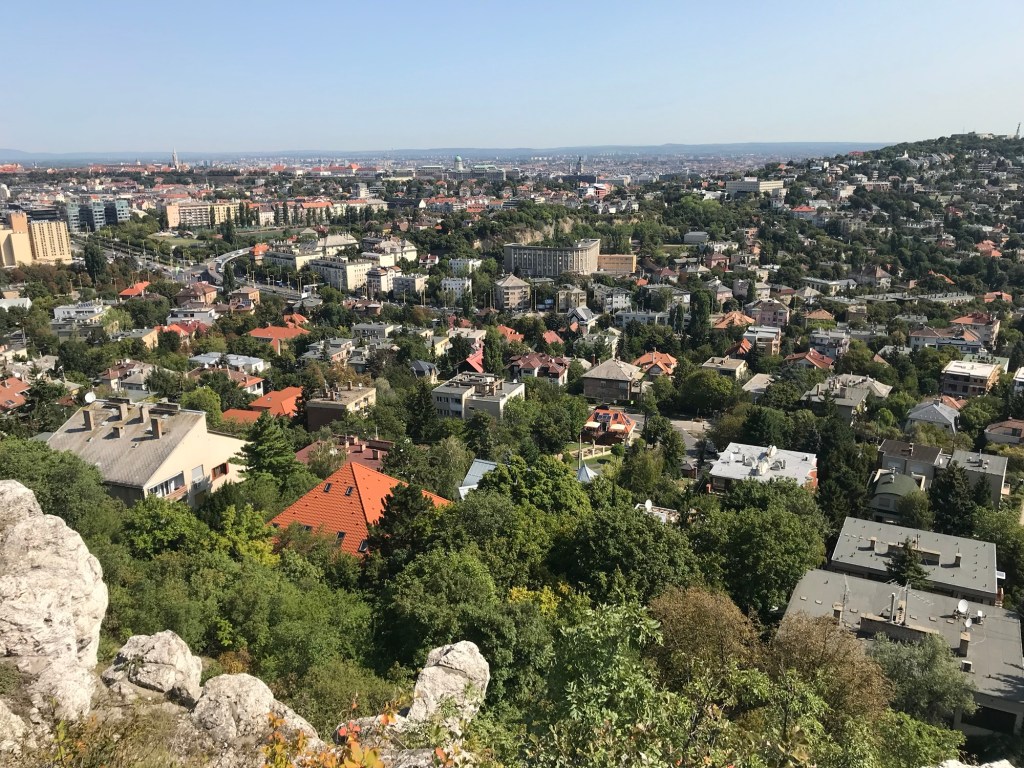
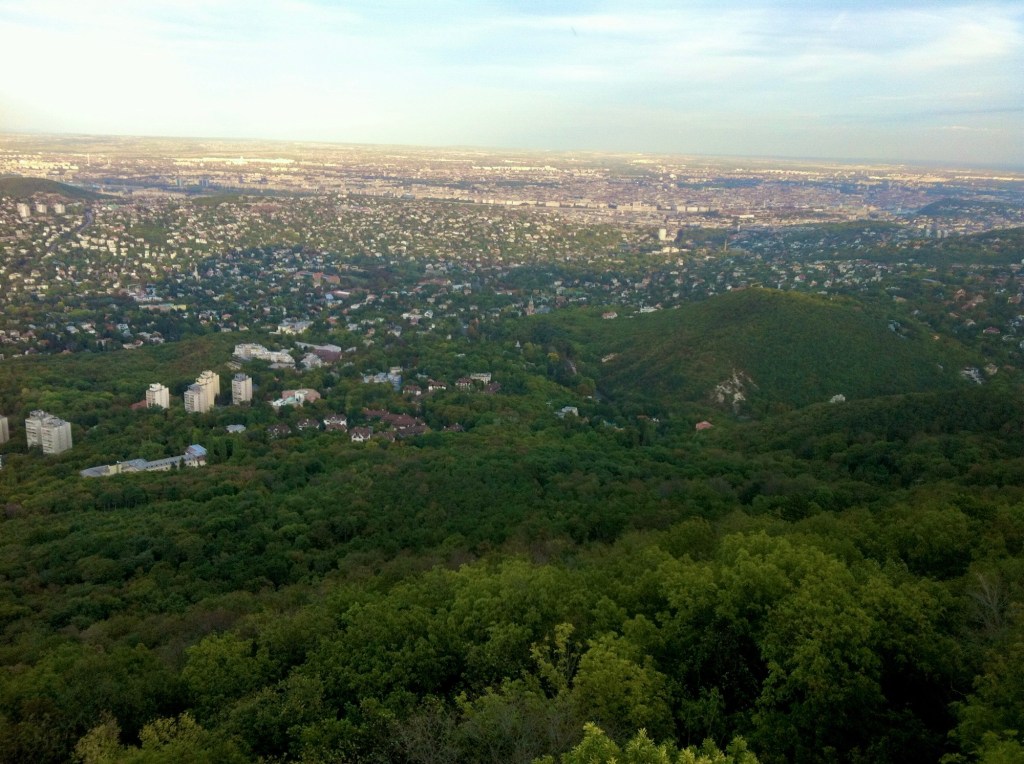
Budapest, built on both banks of the Danube, is one of the most remarkable cities in Europe. The city, in its present form, emerged from the unification in 1873 of Buda, Pest, and Óbuda—three areas that had developed in different periods of history. On one side of the Danube lie Buda (and Óbuda), and on the other side Pest. This historical merger is reflected clearly in the city’s architectural diversity and cultural fabric. Buda consists largely of leafy residential neighborhoods with detached houses and is more family-oriented, while Pest, with its imposing apartment buildings, offers young people the full vibrancy of a modern metropolis.
To truly get to know Budapest, one must live there, breathe its air, and walk its streets. You can visit its iconic landmarks in two or three days, and even such a short stay will leave a strong impression. Still, Budapest is not a city that can be understood in a couple of days. Summer and winter give it completely different characters. From its parks, islands, and bridges to its historic and modern cafés, from its nightlife and “ruin pubs” to its museums and baths, from its avenues to its opera, from Danube cruises to local cuisine, from Christmas markets to bookshops—every detail offers a distinct charm. For this reason, Budapest is one of those rare cities that should be revisited in different seasons, each time offering a different kind of pleasure and leaving unforgettable memories.
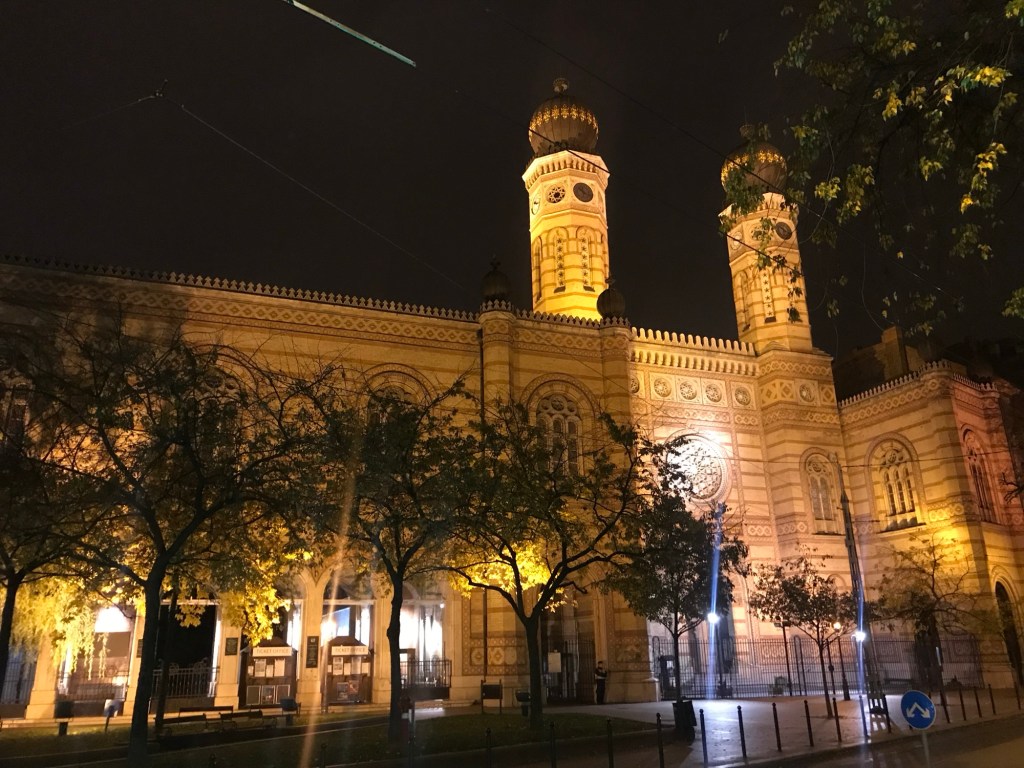
If we look at its major squares and buildings, there are at least 10–15 sites in Budapest that one must see. First and foremost is the Danube, which gives life to the city and sometimes overflows, causing hardship for Hungarians. The river is the city’s heart. What the Bosphorus is to Istanbul, the Danube is to Budapest. Then come Deák tér, the Parliament building and its surroundings, St. Stephen’s Basilica, Buda Castle and its environs (including Fisherman’s Bastion and Matthias Church), Andrássy Avenue and the Opera House, Margaret Bridge with its Danube panorama, Váci Street and Vörösmarty Square, Heroes’ Square and its museums, the Central Market Hall, the Széchenyi Chain Bridge, Liberty Bridge, the Dohány Street Synagogue, the City Park (Városliget), and Gellért Hill.

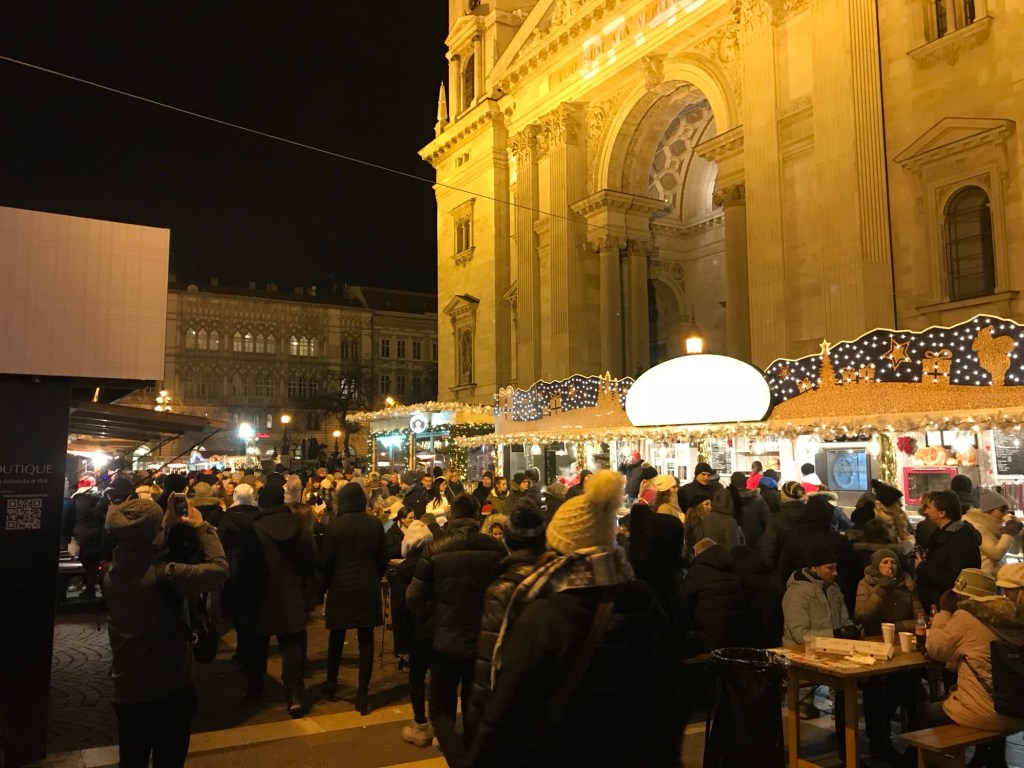
Christmas Market at Vörösmarty Square (December 2017)
As a Turk, it is also natural to include surviving Ottoman-era structures in this framework. Gül Baba’s Tomb and Rudas Bath are foremost among them.
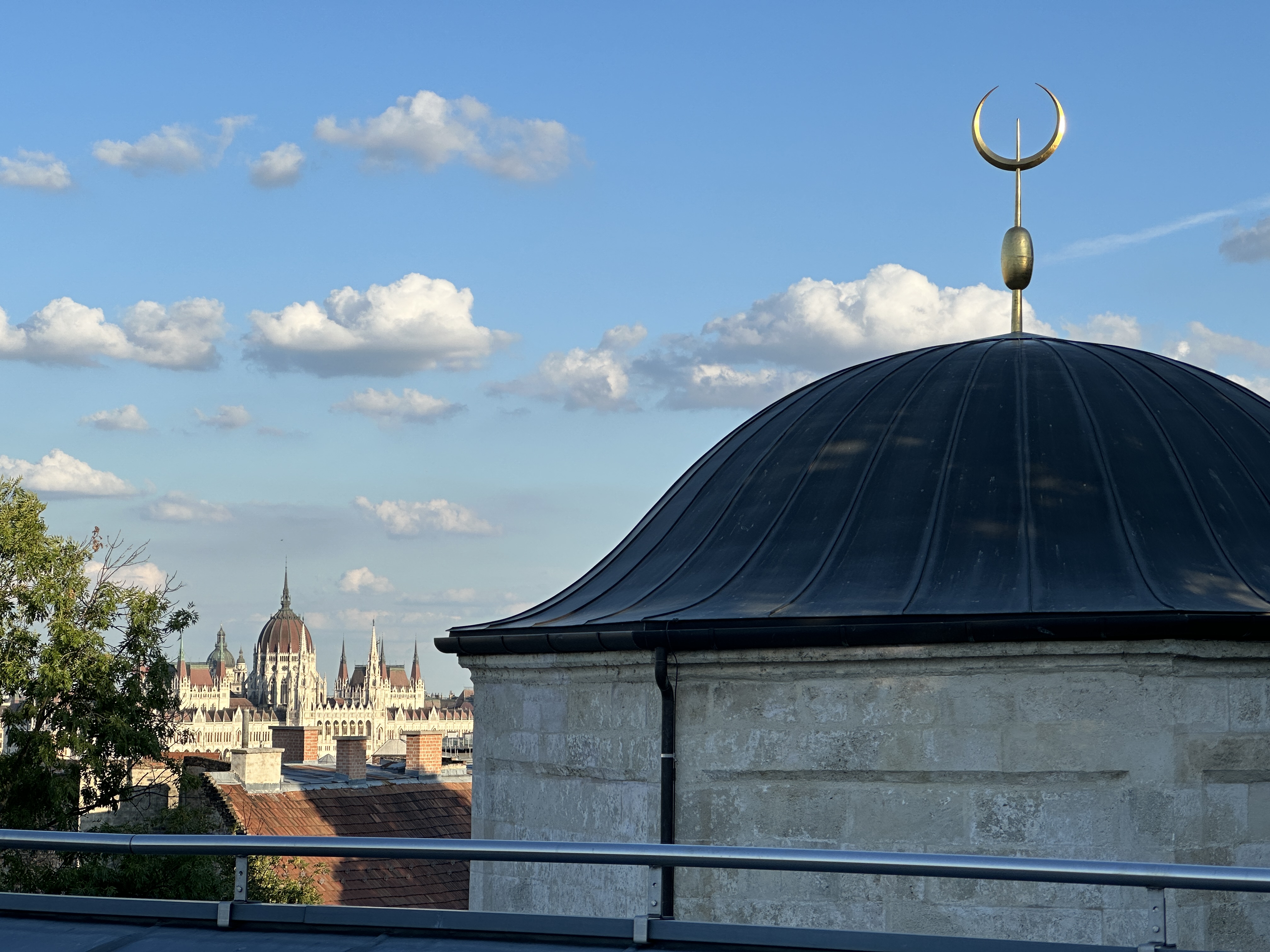
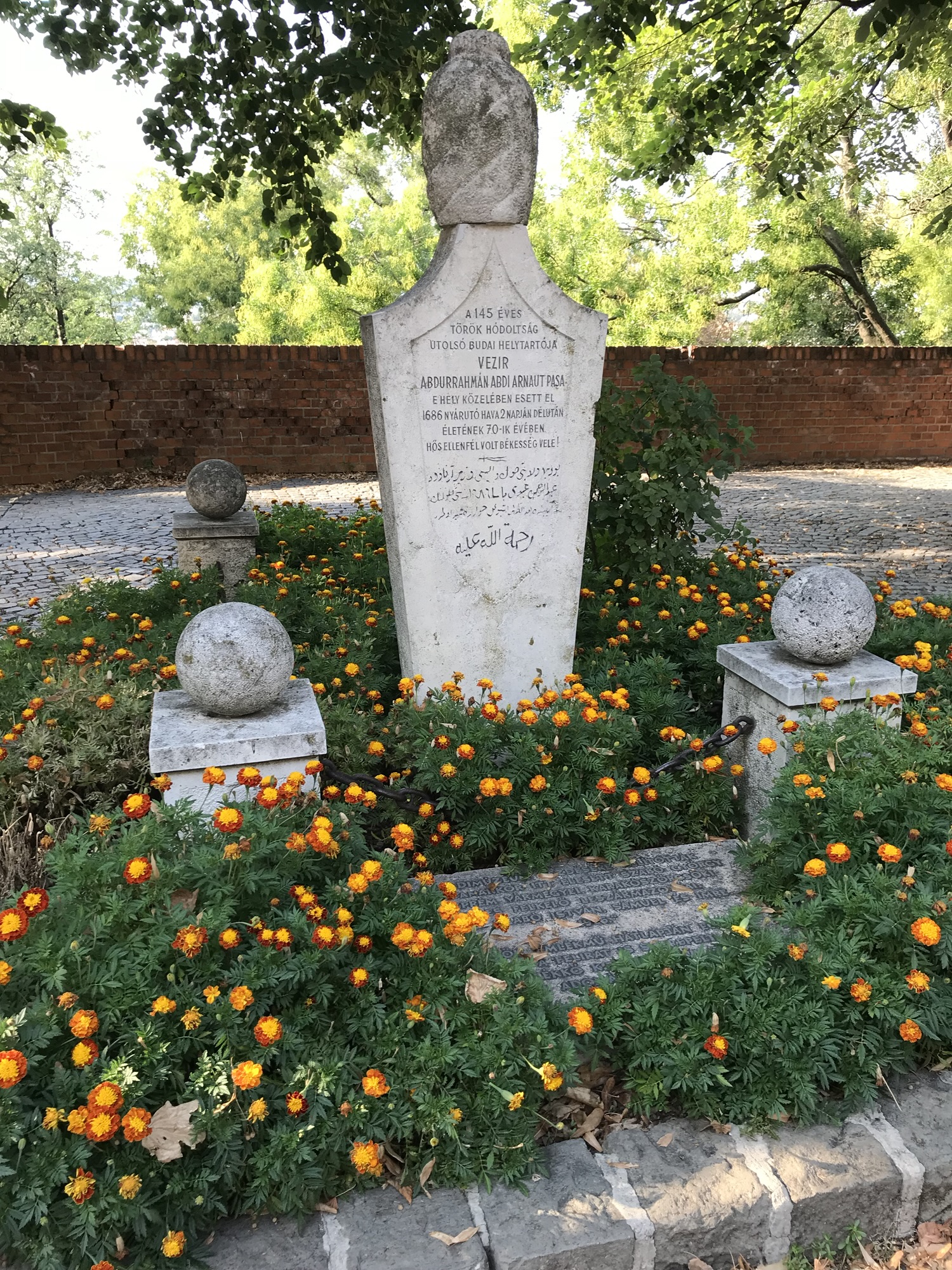
Budapest is far more than just a collection of these famous spots; it is a living city. The list could be extended much further. Ruin pubs—especially Szimpla Kert—have become indispensable stops for tourists and visitors. Among the islands, Margaret Island attracts crowds particularly in summer. Óbuda Island, which hosts the Sziget Festival, becomes a major focal point of the city during the festival period. The zoo in the City Park (Fővárosi Állat- és Növénykert) and Széchenyi Baths (Széchenyi Fürdő) are also among the city’s key attractions. On the Pest side, especially Király Street, Liszt Ferenc Square, and Ráday Street, and on the Buda side Lövőház Street, are among the main areas filled with cafés, bars, and restaurants. Oktogon and Szabadság Square, Táncsics Mihály Street, and Kálvin Square further extend the list. The railway stations Keleti and Nyugati are also worth a visit for their architecture. Beyond all this, there are countless other streets, squares, and buildings that, in any other city, would easily rank as “must-see” sites; listing them all individually would be difficult.
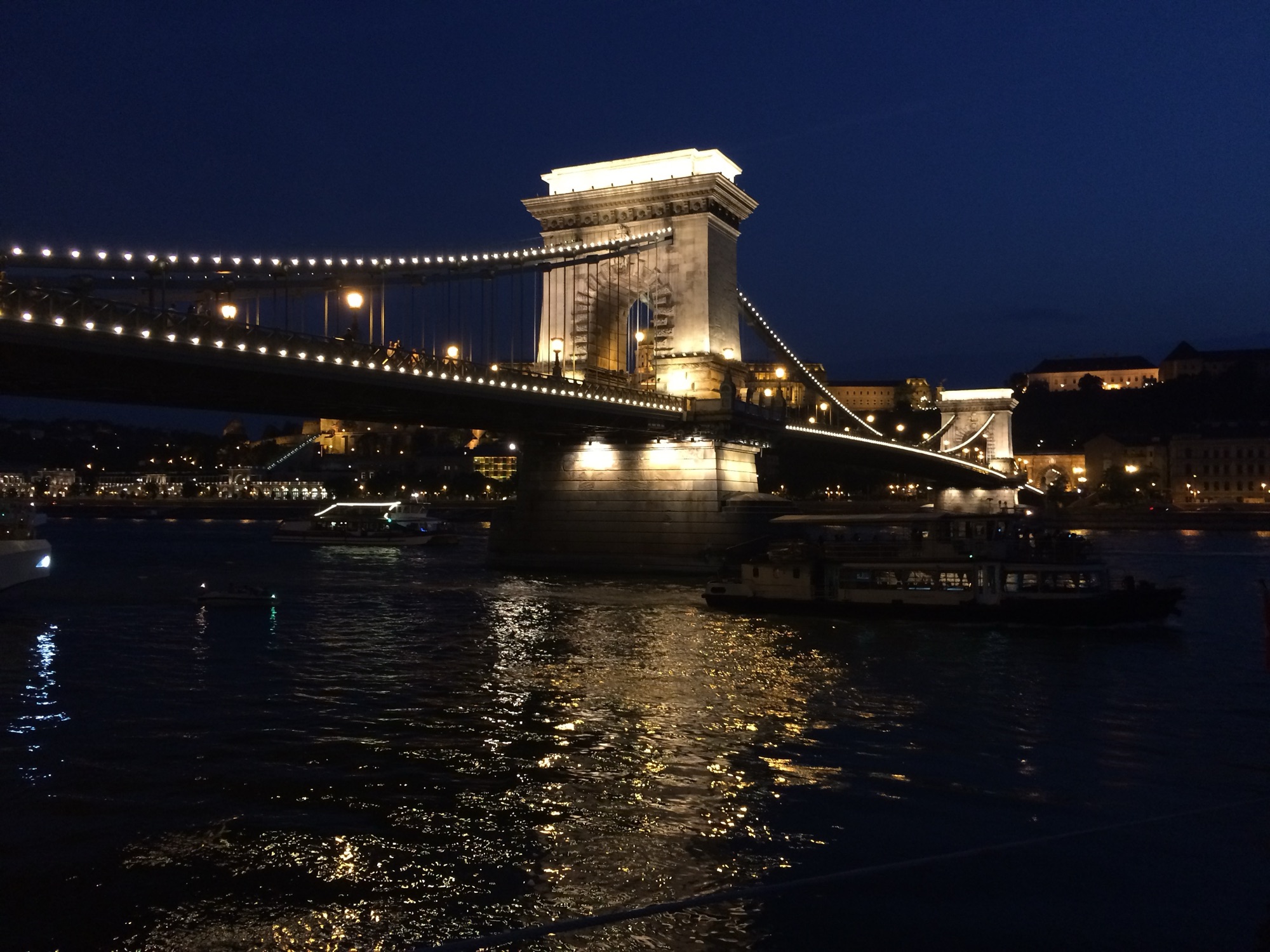
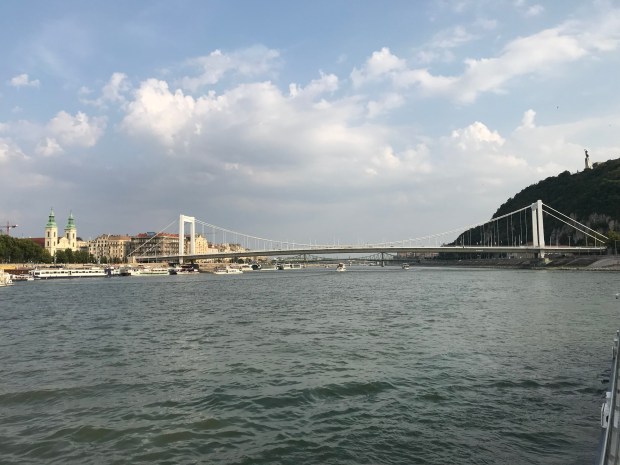
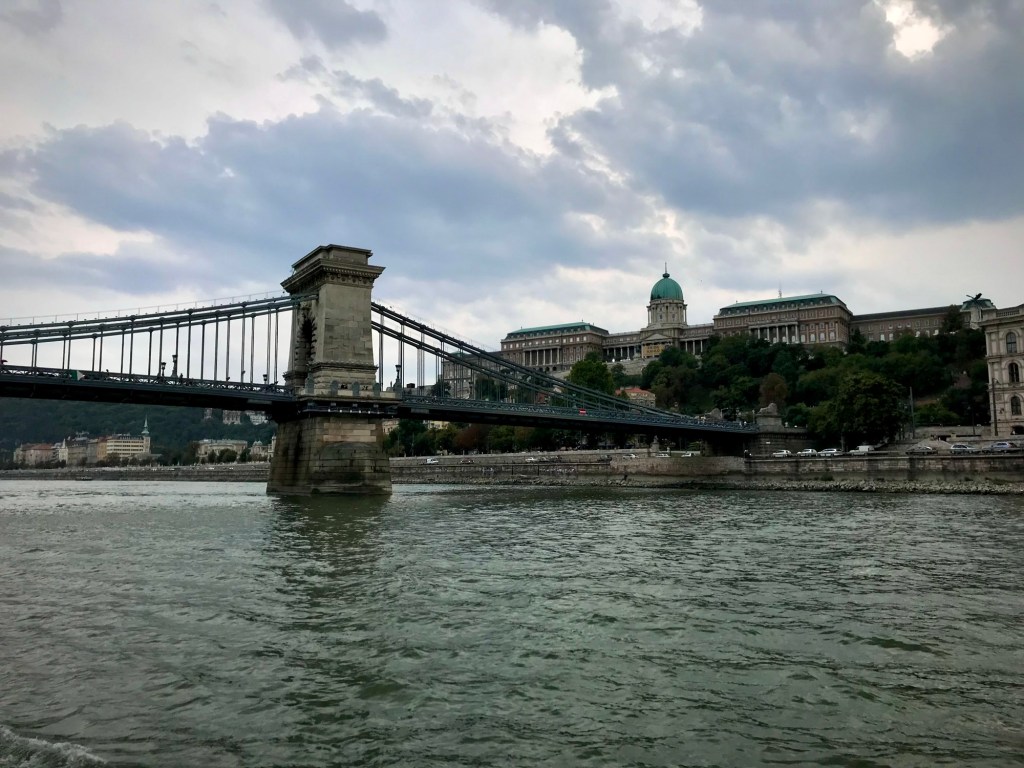


The ideal starting point for exploring Budapest is Deák Ferenc Square (Deák tér). It is certainly not the city’s most attractive spot, but it is where the three metro lines intersect and where many tram and bus lines stop. From Deák tér, whichever direction you choose, you inevitably end up at an important landmark. You can walk along Andrássy Avenue to the Opera House, then to Oktogon, and, if you are not too tired, continue all the way to Heroes’ Square and the City Park. Within a five-minute walk via Bajcsy-Zsilinszky Street, you can reach St. Stephen’s Basilica; from there, following Zrínyi Street, you arrive at the Danube embankment and the Széchenyi Chain Bridge, which you can cross on foot into Buda. Walking in the direction of Fashion Street takes you to Vörösmarty Square and from there to Váci Street. You can turn into Király Street or follow Károly Boulevard to Astoria and the Hungarian National Museum. Continuing along this route, it is easy to reach Egyetem Square and Kálvin Square. If you prefer to do nothing, you can simply sit in Erzsébet Square next to Deák tér and listen to the sounds of the city. On my first visit, I rested there after a long day. There is now a large Ferris wheel in the park, offering panoramic views of the city from its highest point.

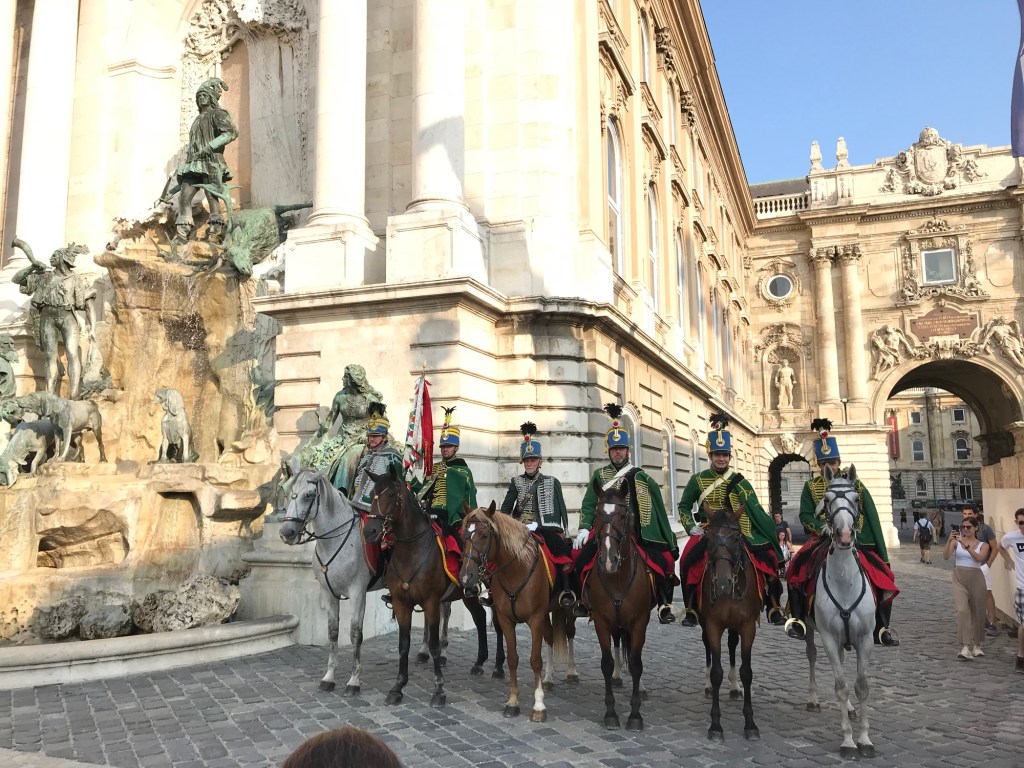
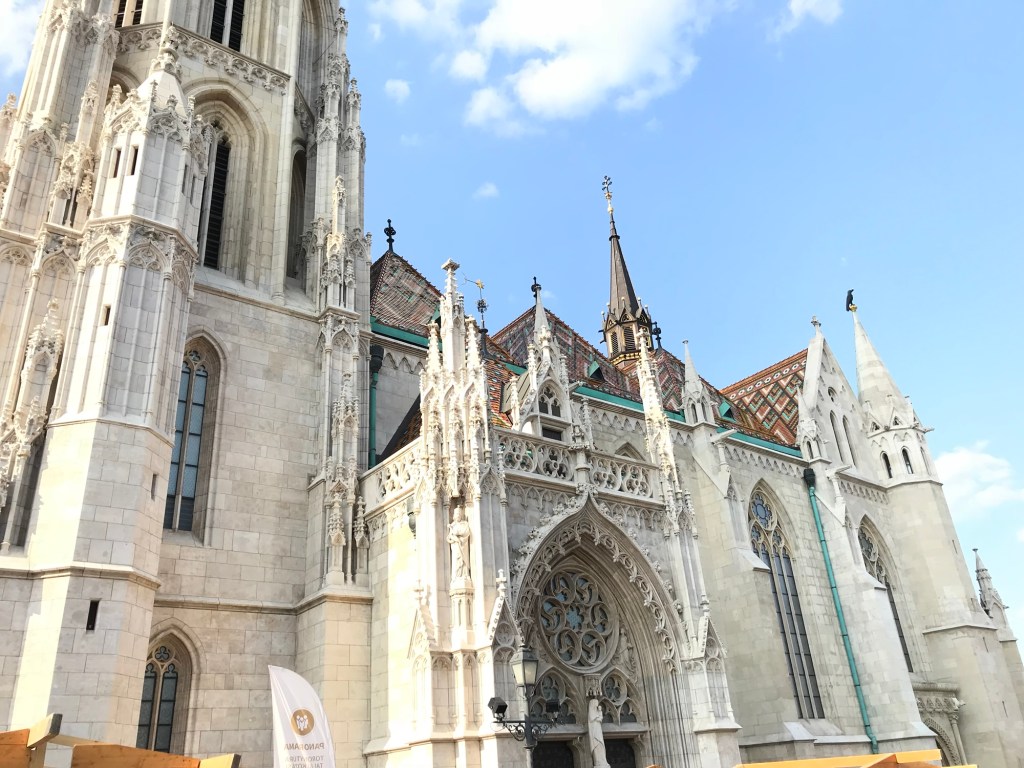
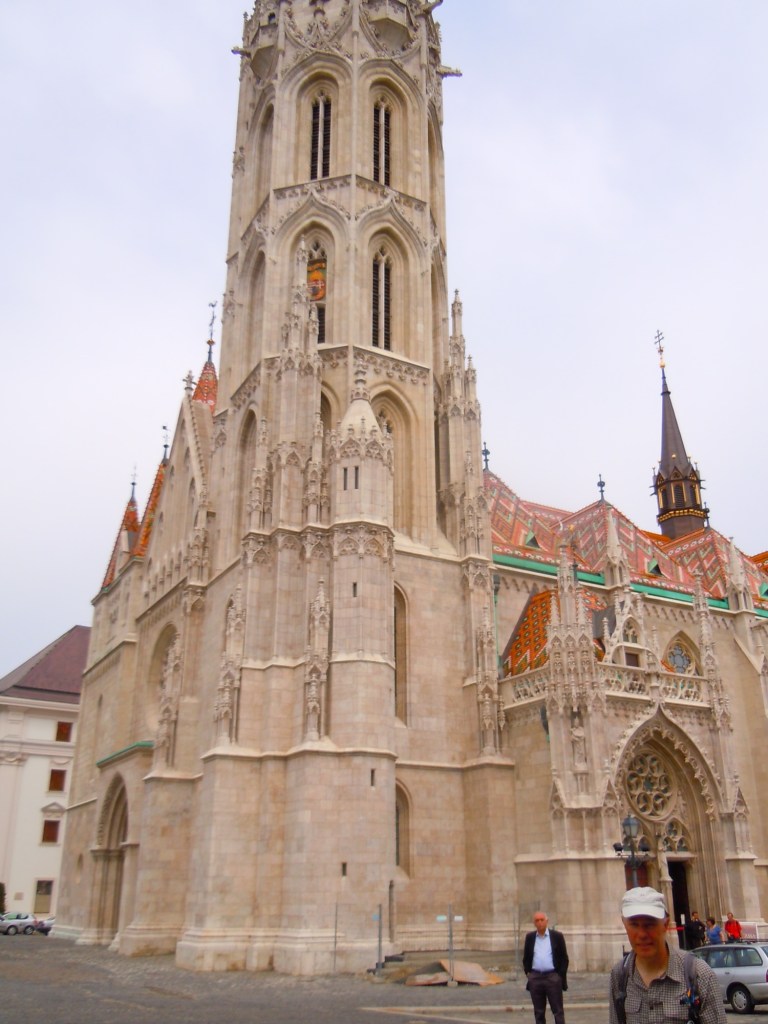
I personally prefer the Pest side. It is livelier. On the other hand, Buda Castle and its surrounding historic streets, as well as the view of Budapest from Fisherman’s Bastion, are indispensable for visitors. Interestingly, I realize that I have not been to this area for years. We usually refer to it as Buda Castle, but it might be more accurate to call it Buda Palace. The Castle District has a distinctly medieval atmosphere. During the Ottoman period, it was known as Budin Castle. Its narrow streets, timeworn façades, and cobbled roads and pavements give the sensation of walking through the past. Fisherman’s Bastion, with its fairy-tale appearance and its view over the city at sunset, creates a unique moment. Matthias Church stands there in a commanding position over the city.
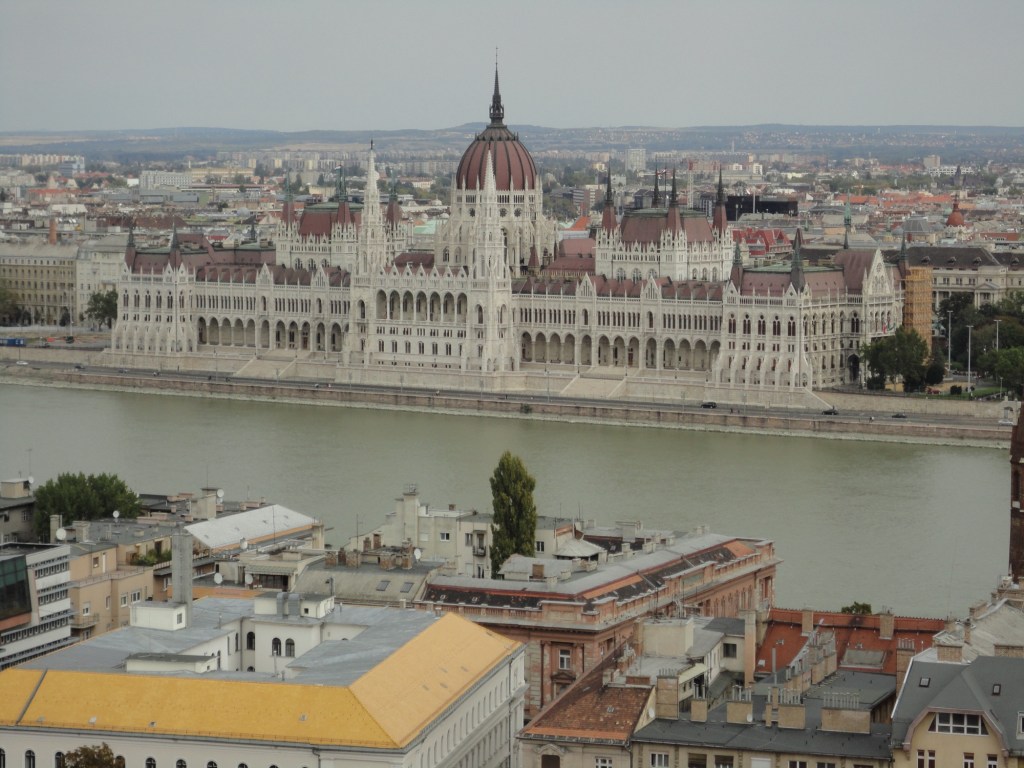

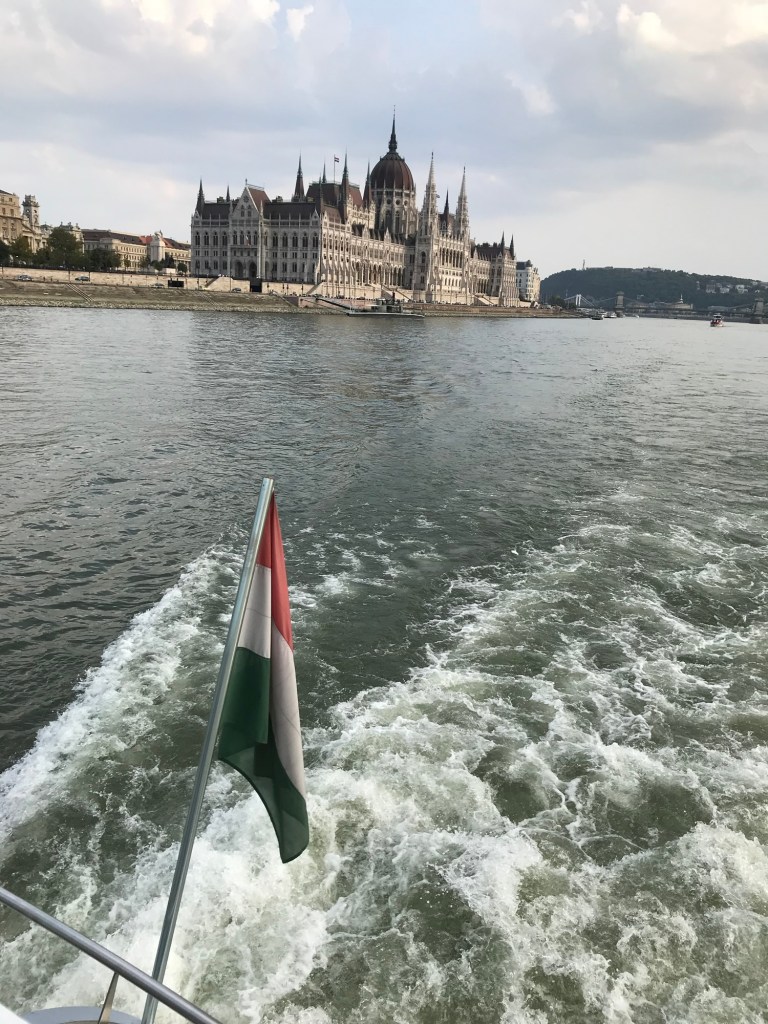
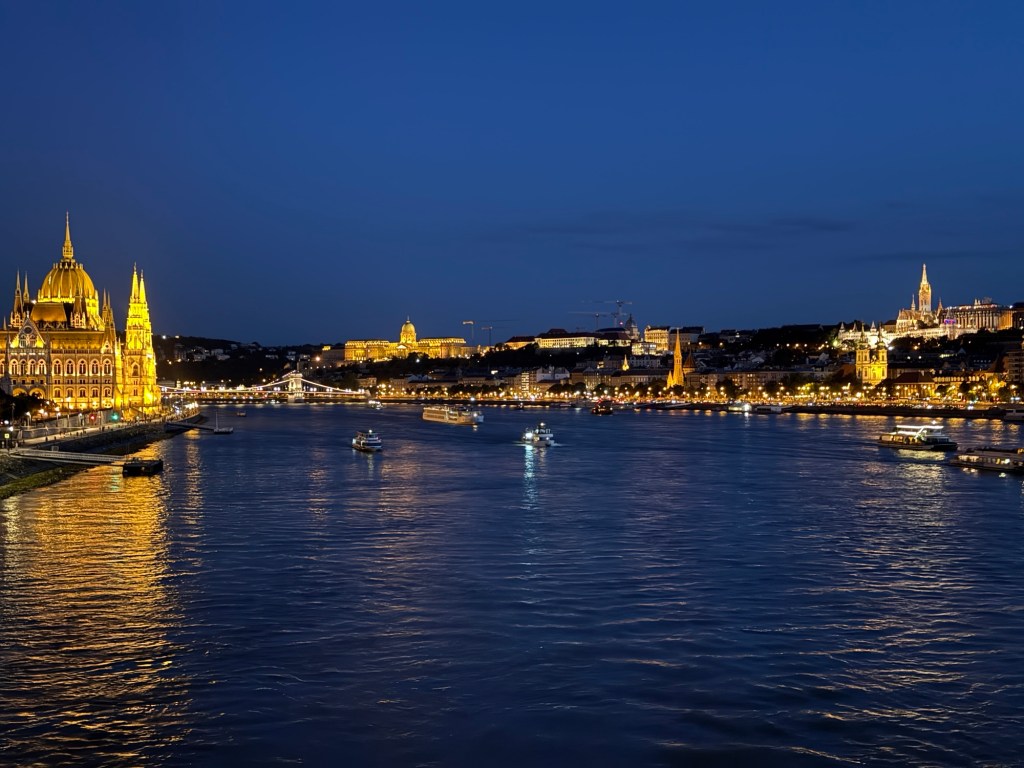
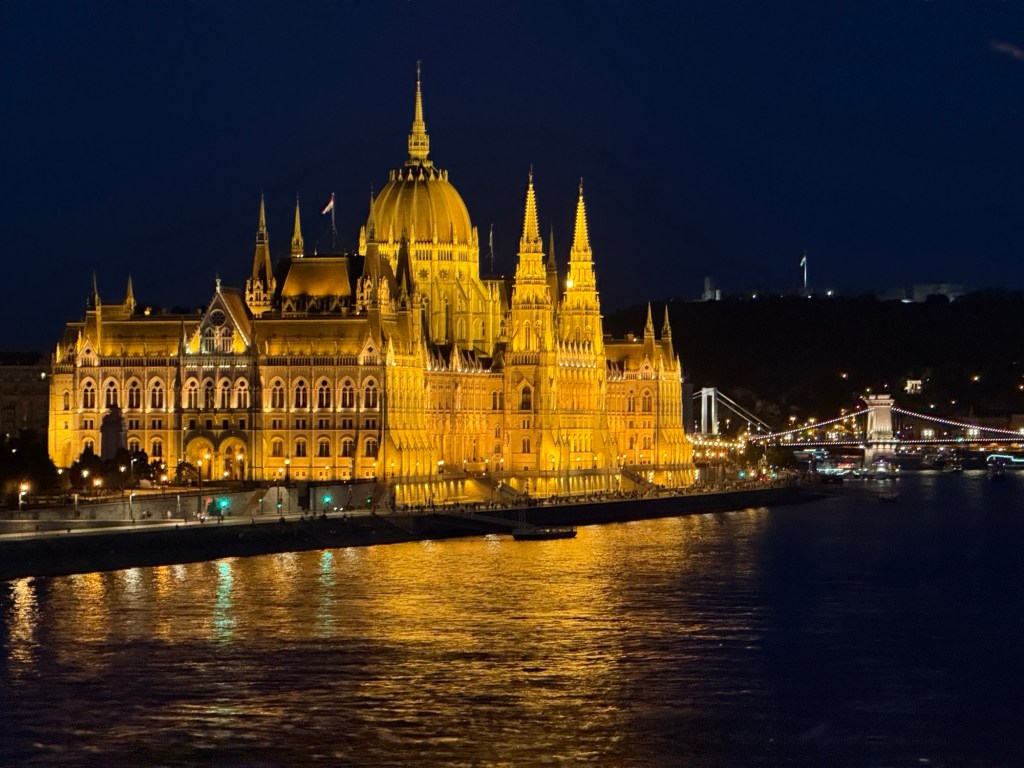
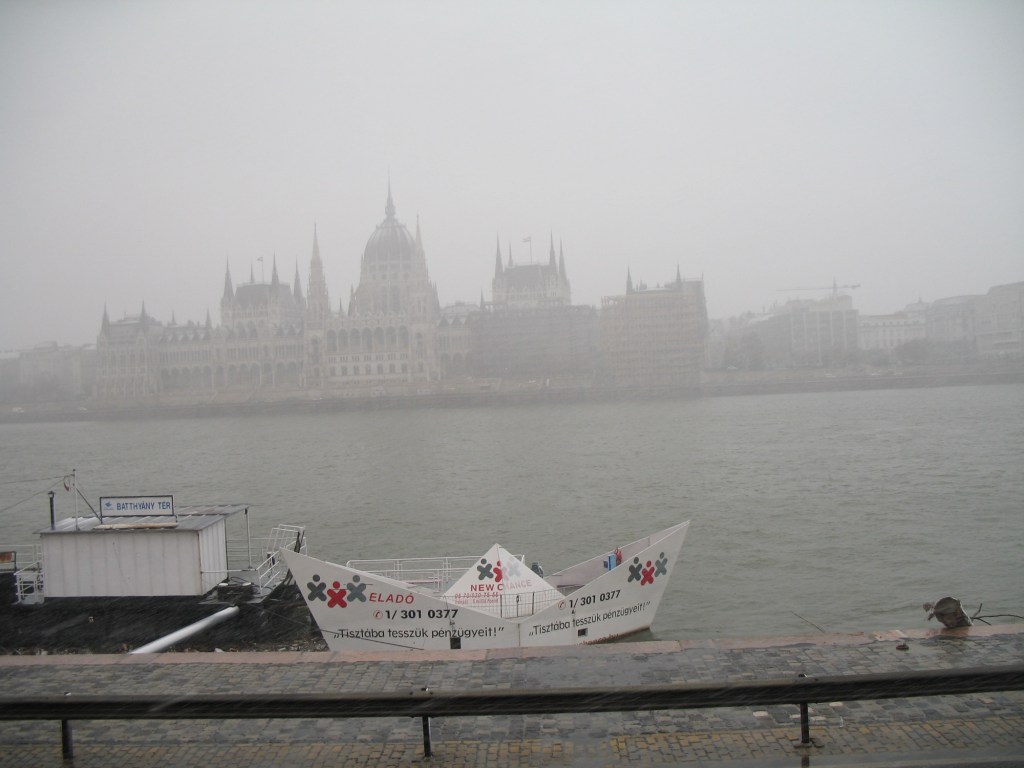
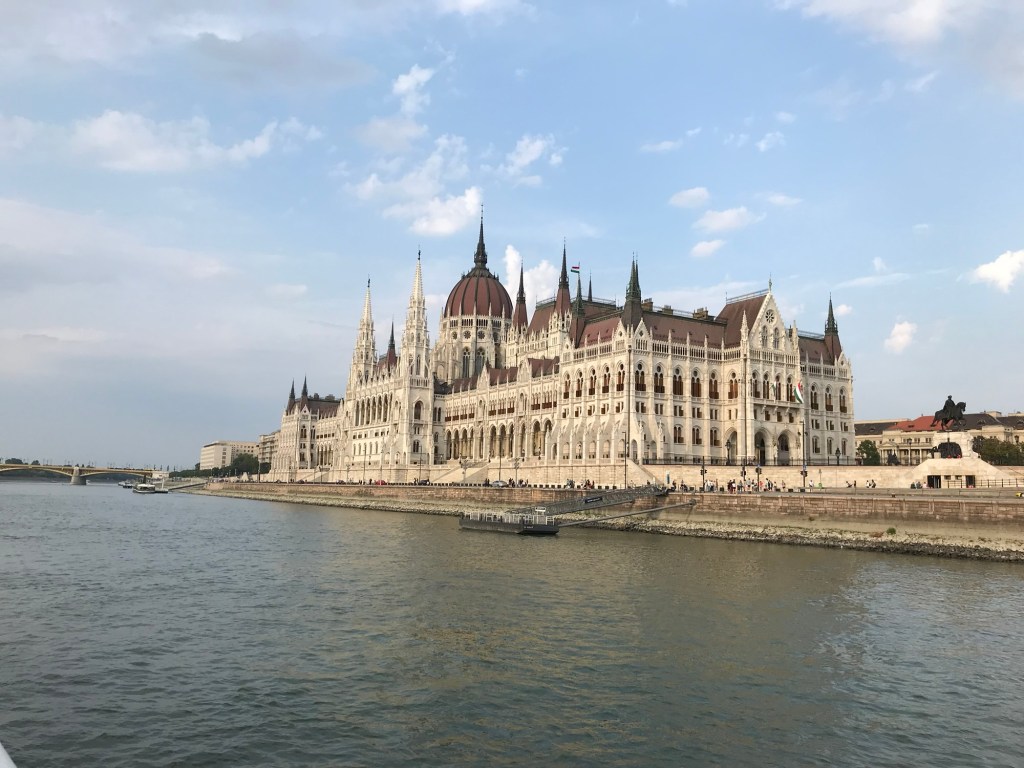
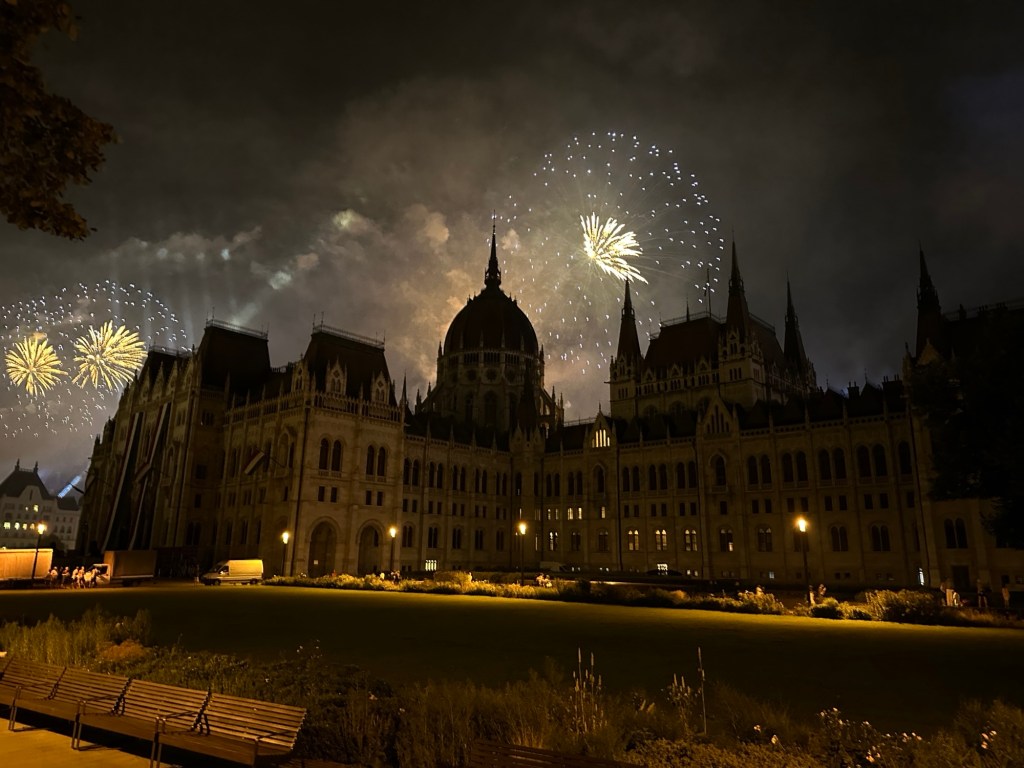
the Pest side, 19th-century planned architecture dominates. The two most important buildings to see on this side are the Parliament (Országház) and St. Stephen’s Basilica (Szent István-bazilika). The Parliament rises majestically on the banks of the Danube; watching it from outside alone is striking. Viewed from Margaret Bridge after dark, it offers a spectacular sight. One should not look at the Parliament solely as an example of magnificent architecture. The building holds a wealth of information about Hungary’s political and cultural history. For example, the Hungarian Holy Crown is preserved in the Parliament. The crown is easily recognizable by its tilted cross. Another interesting detail is that on the crown, the expression “King of Turkey” is used for the King of Hungary. The crown was presented to King Stephen of Hungary by the Byzantine Empire. The “Turkey” mentioned on the crown refers to the territory of present-day Hungary.
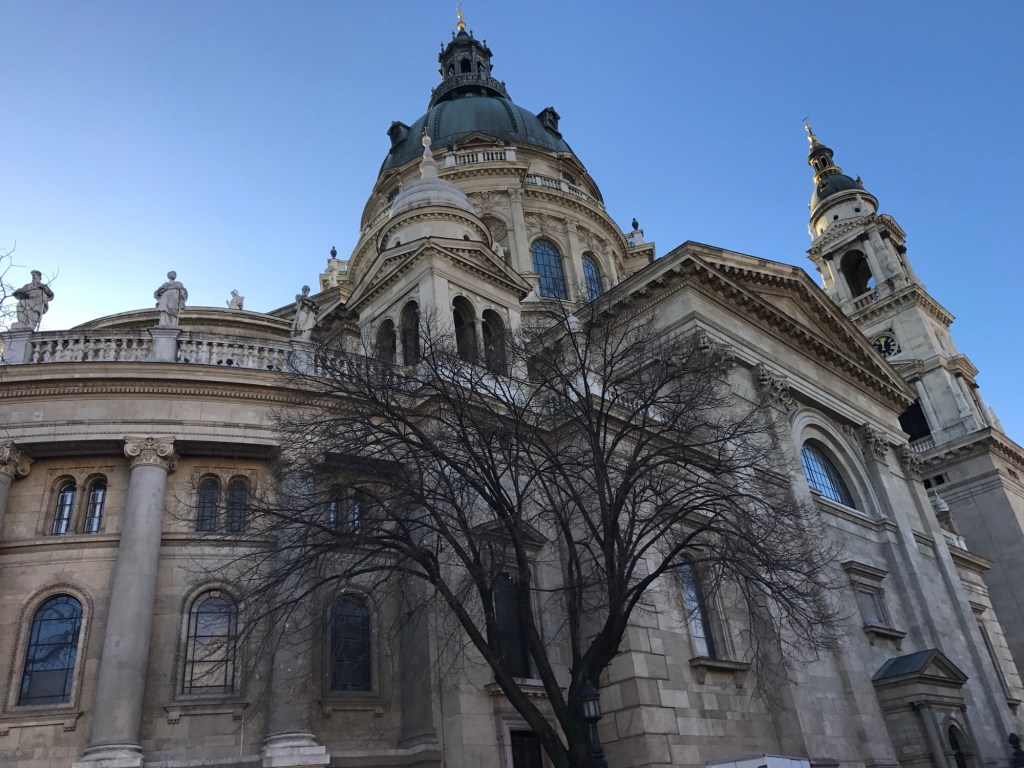
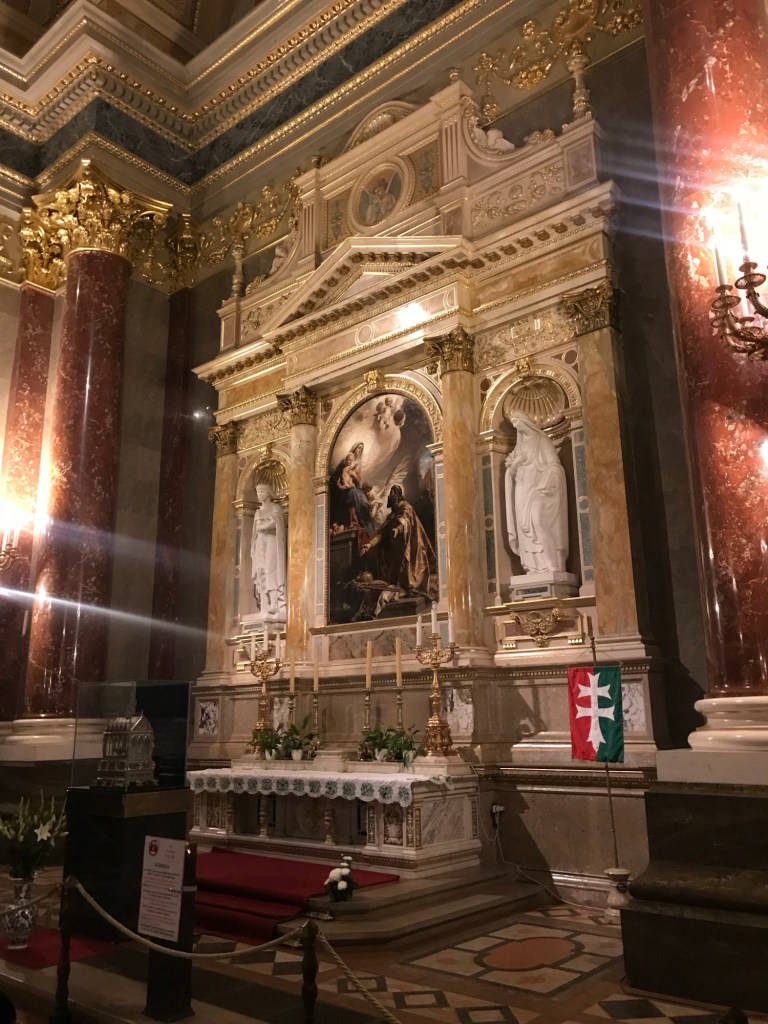
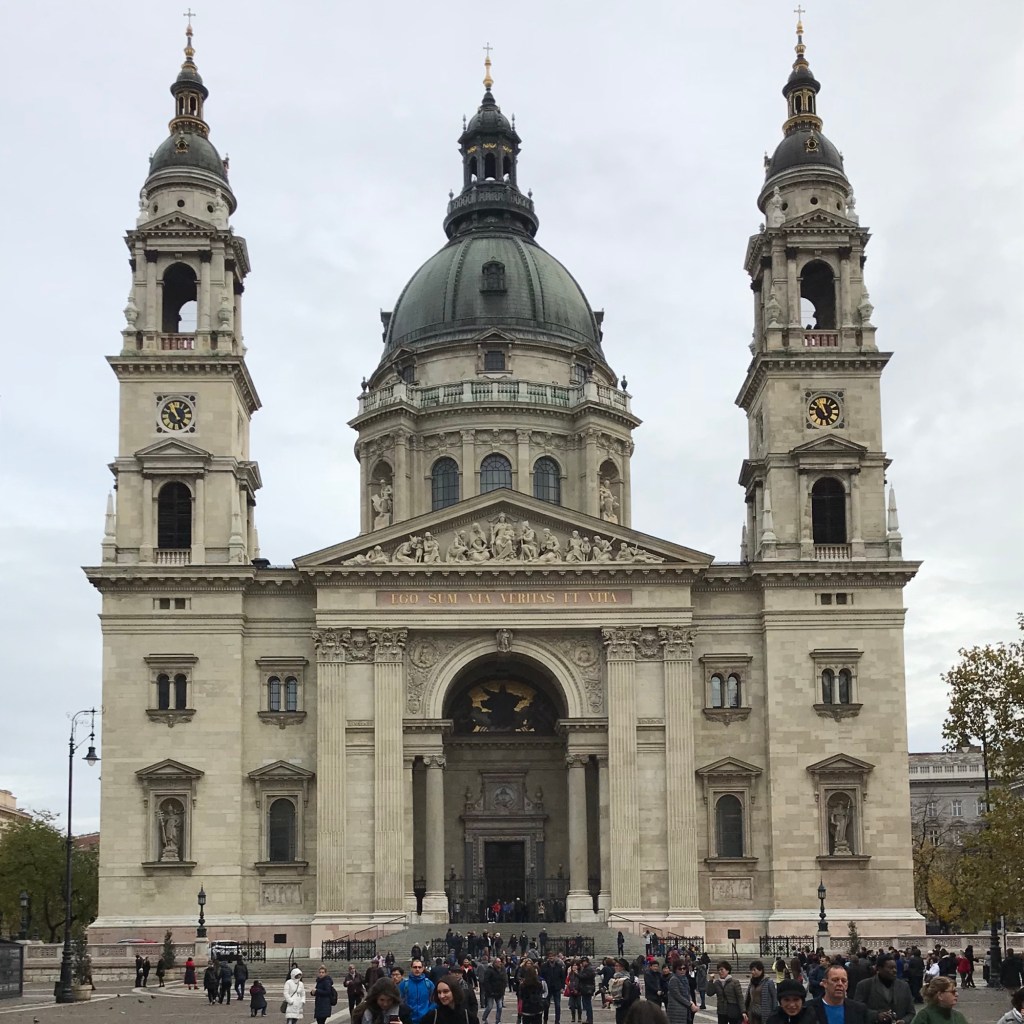
St. Stephen’s Basilica, another symbol of Pest, stands out with both its exterior and interior. The height of its dome is equal to that of the Parliament building. From its tower, one enjoys a broad panoramic view of the city center. Entering the Basilica is itself a distinct experience. St. Stephen is the leader who converted the Hungarians to Christianity. Hungarians see the founding of the modern Hungarian Kingdom as beginning with him.

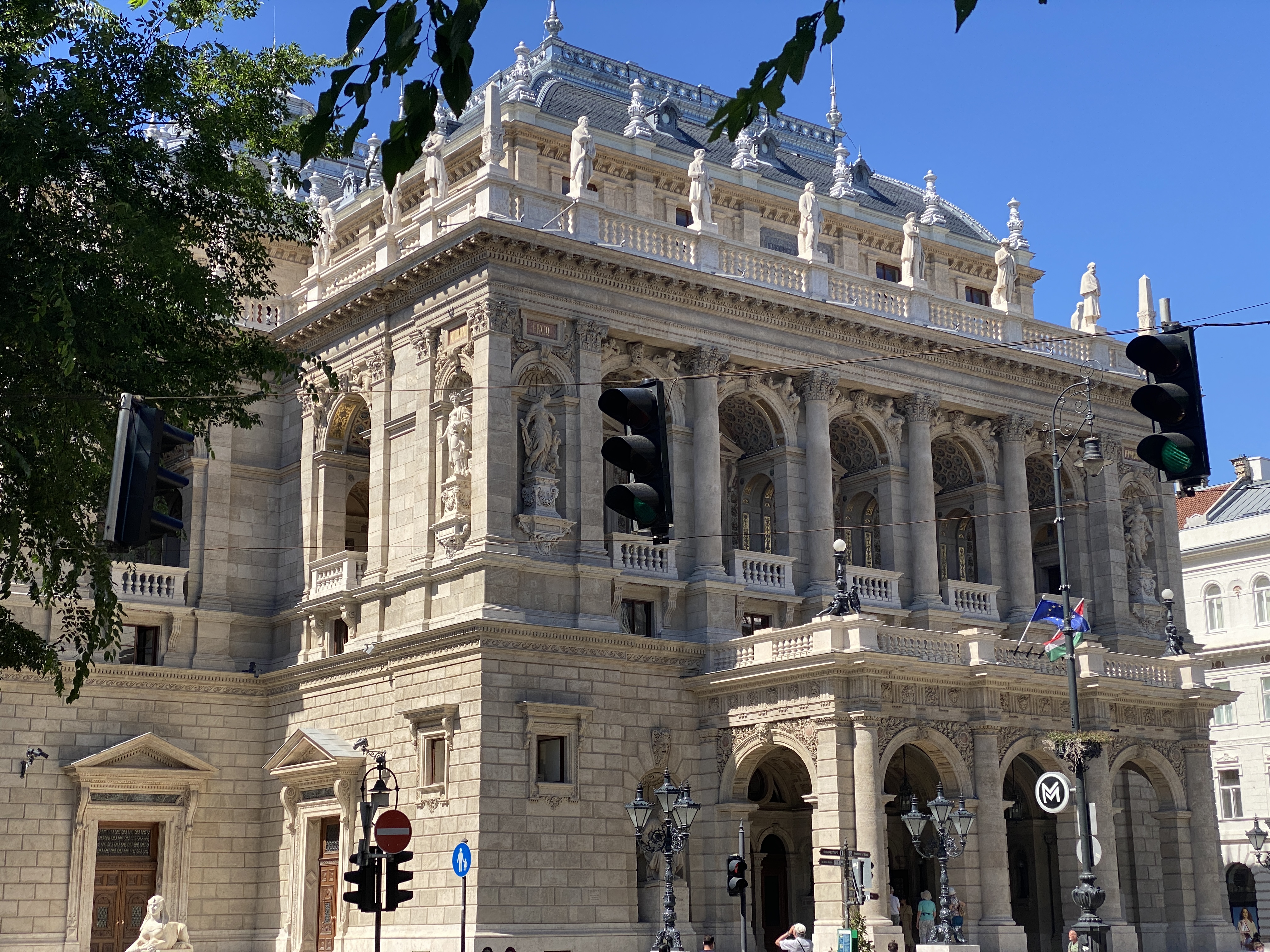
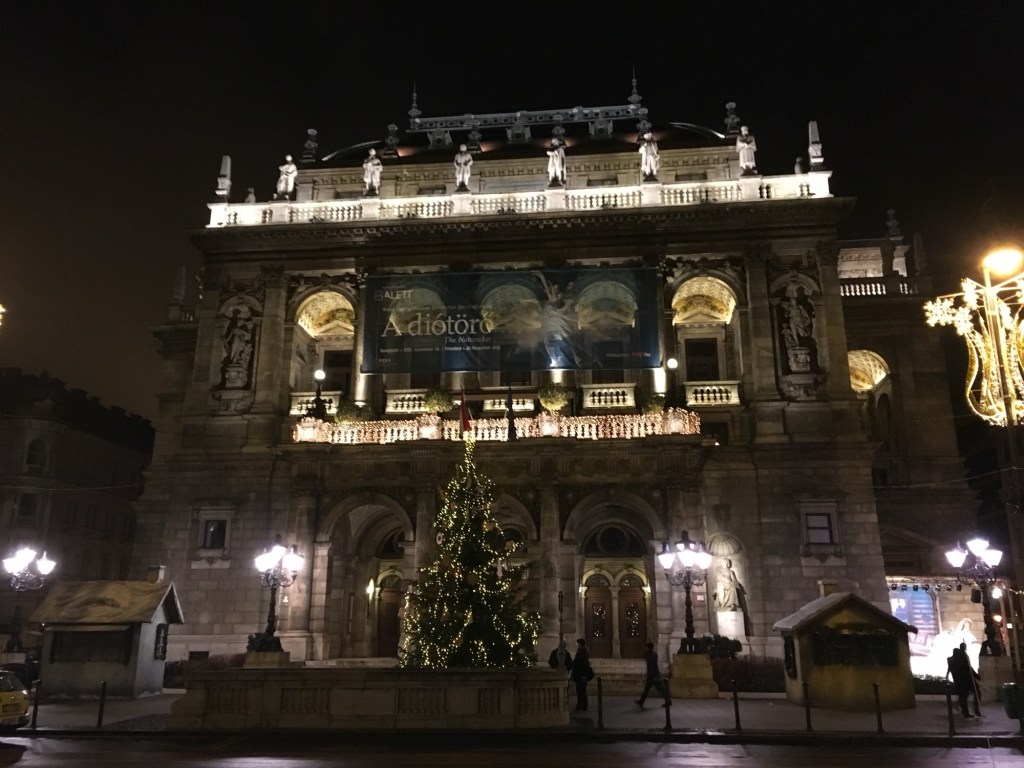
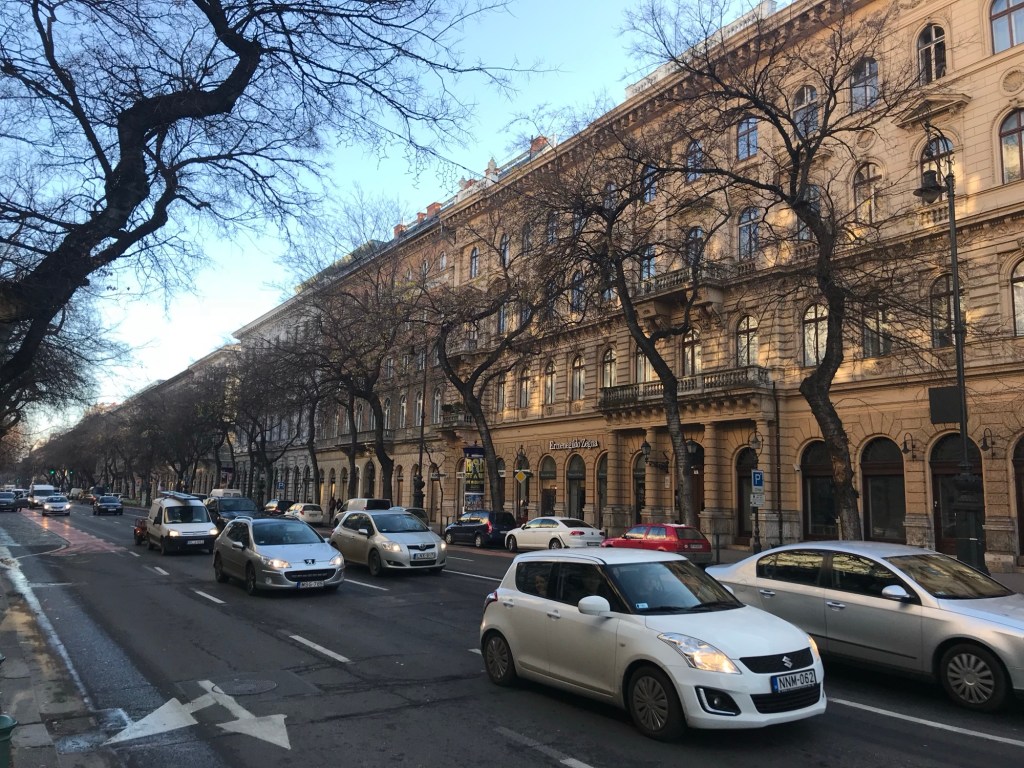
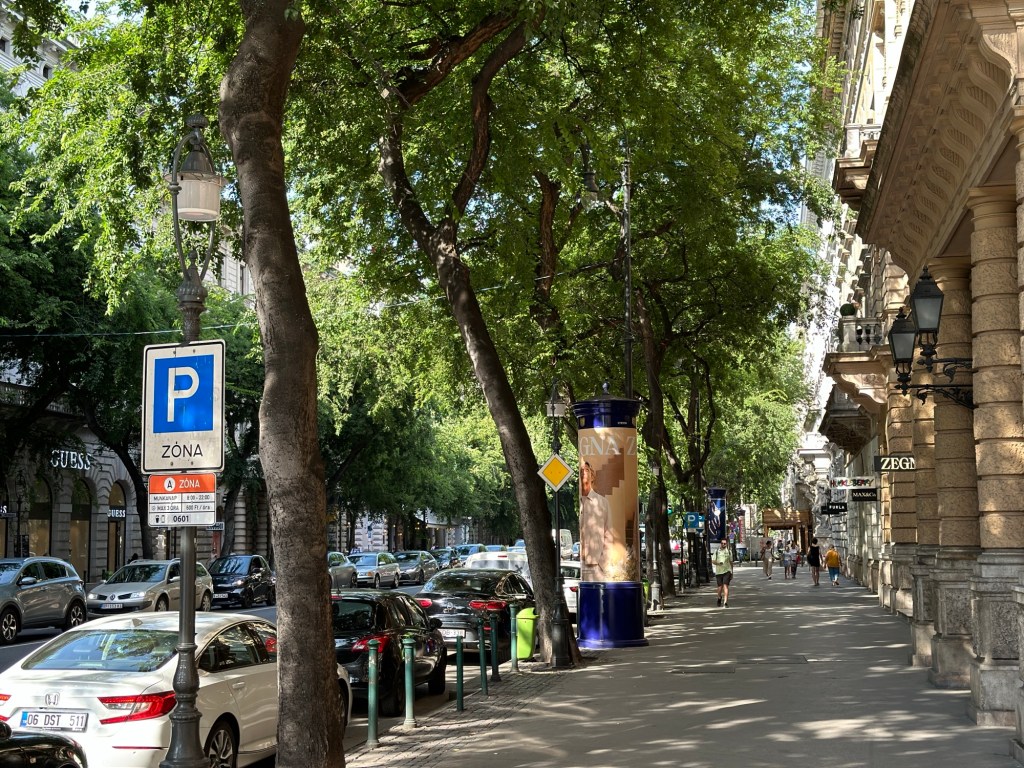
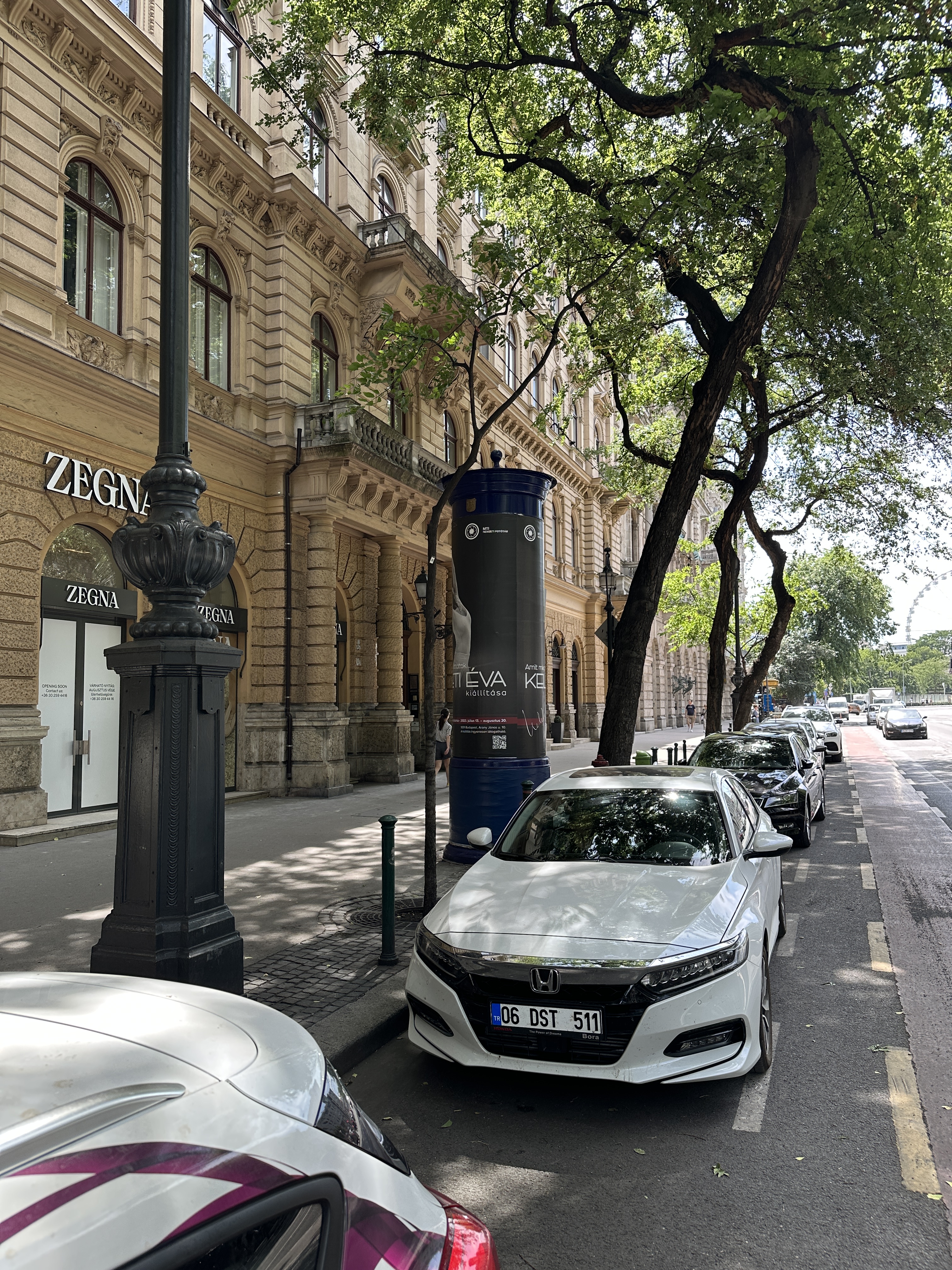
Andrássy Avenue (Andrássy út) and the Opera House located on it are among the most elegant points of the city. The avenue was built in honor of the 100th anniversary of the Hungarians’ arrival in the Carpathian Basin. All the buildings along the avenue were constructed in the same period and compete with one another in grandeur. At the apex of this splendor stands the Opera House. While impressive from the outside, visiting its interior makes this magnificence even more evident.
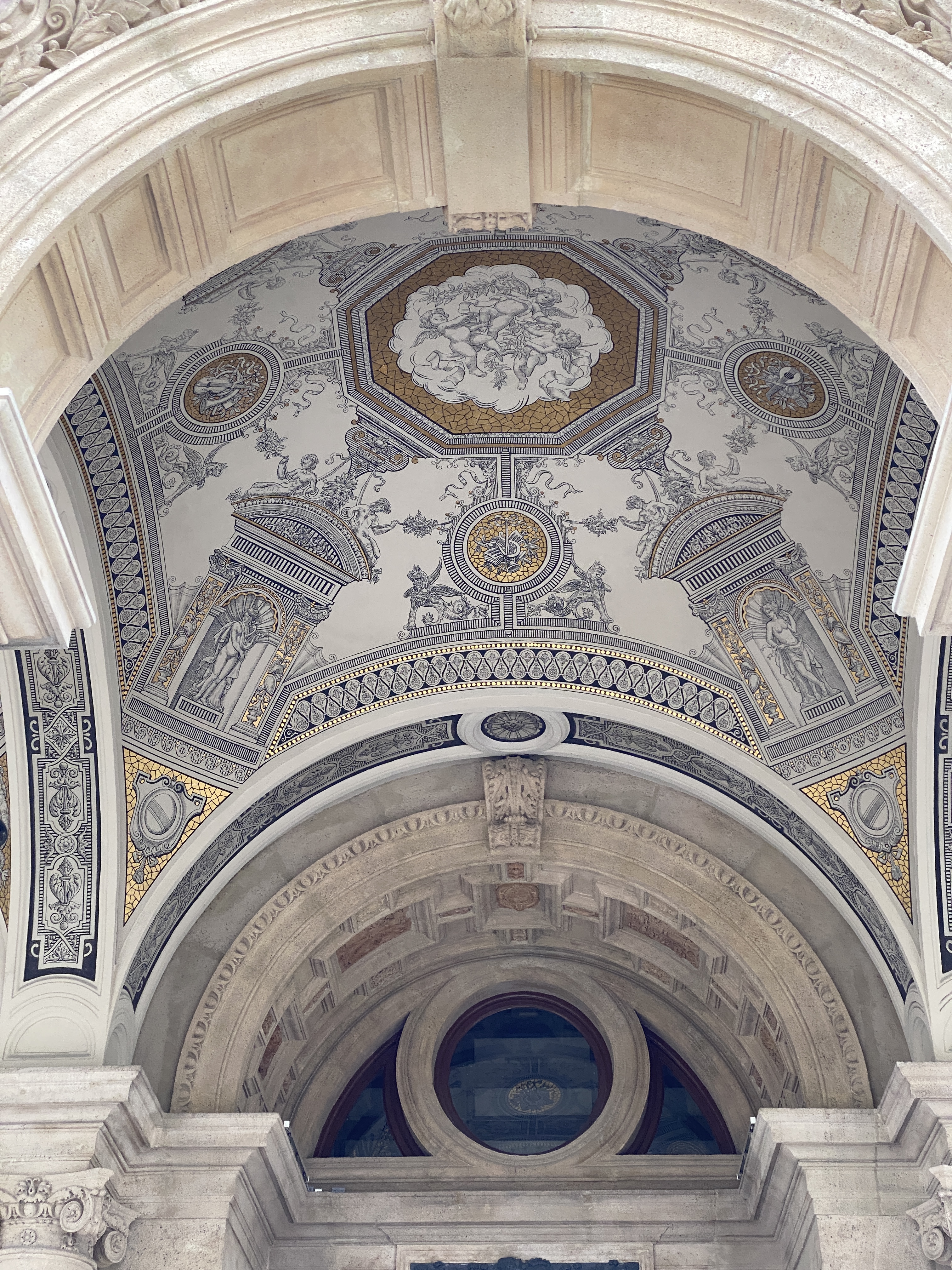
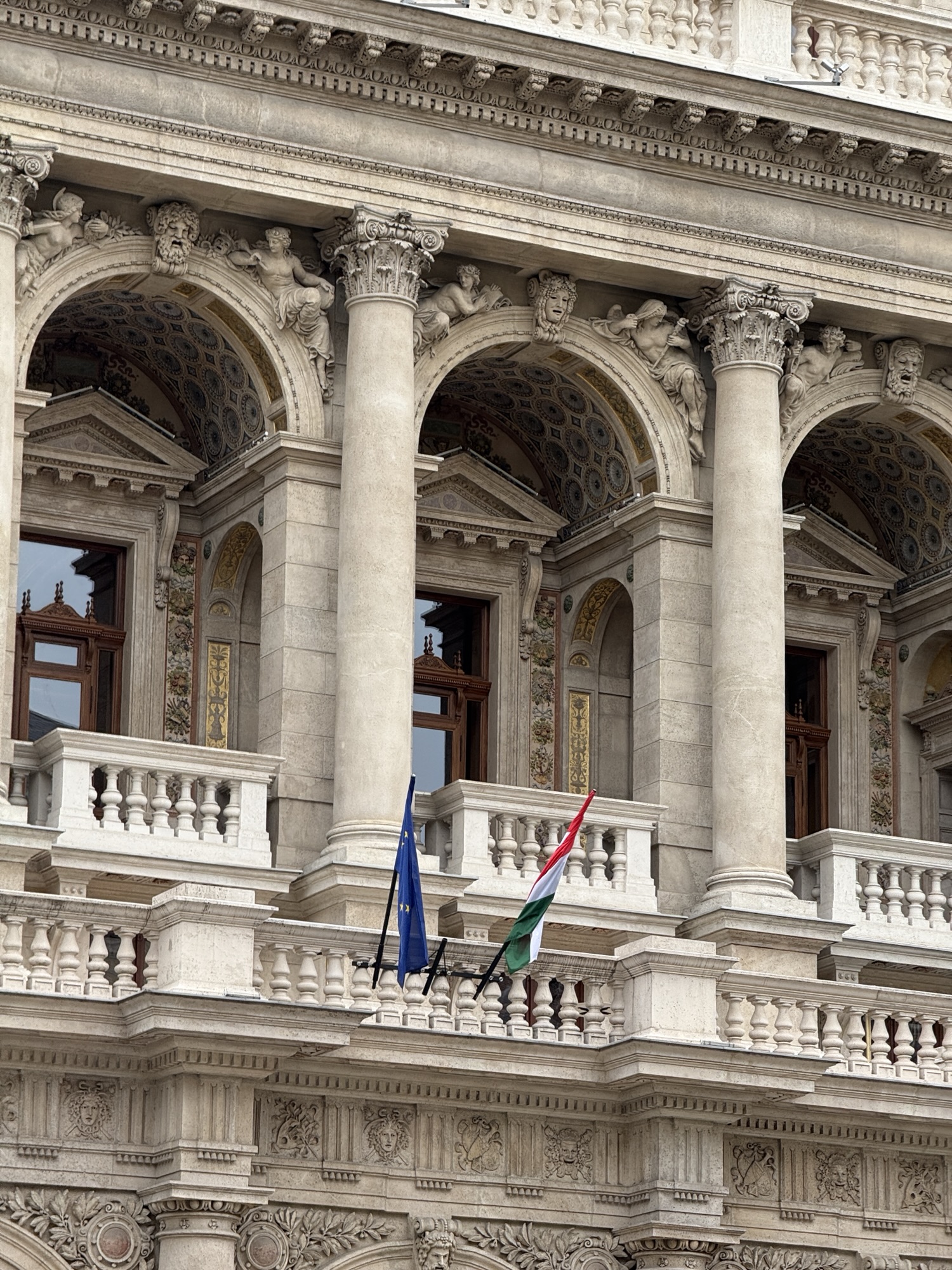
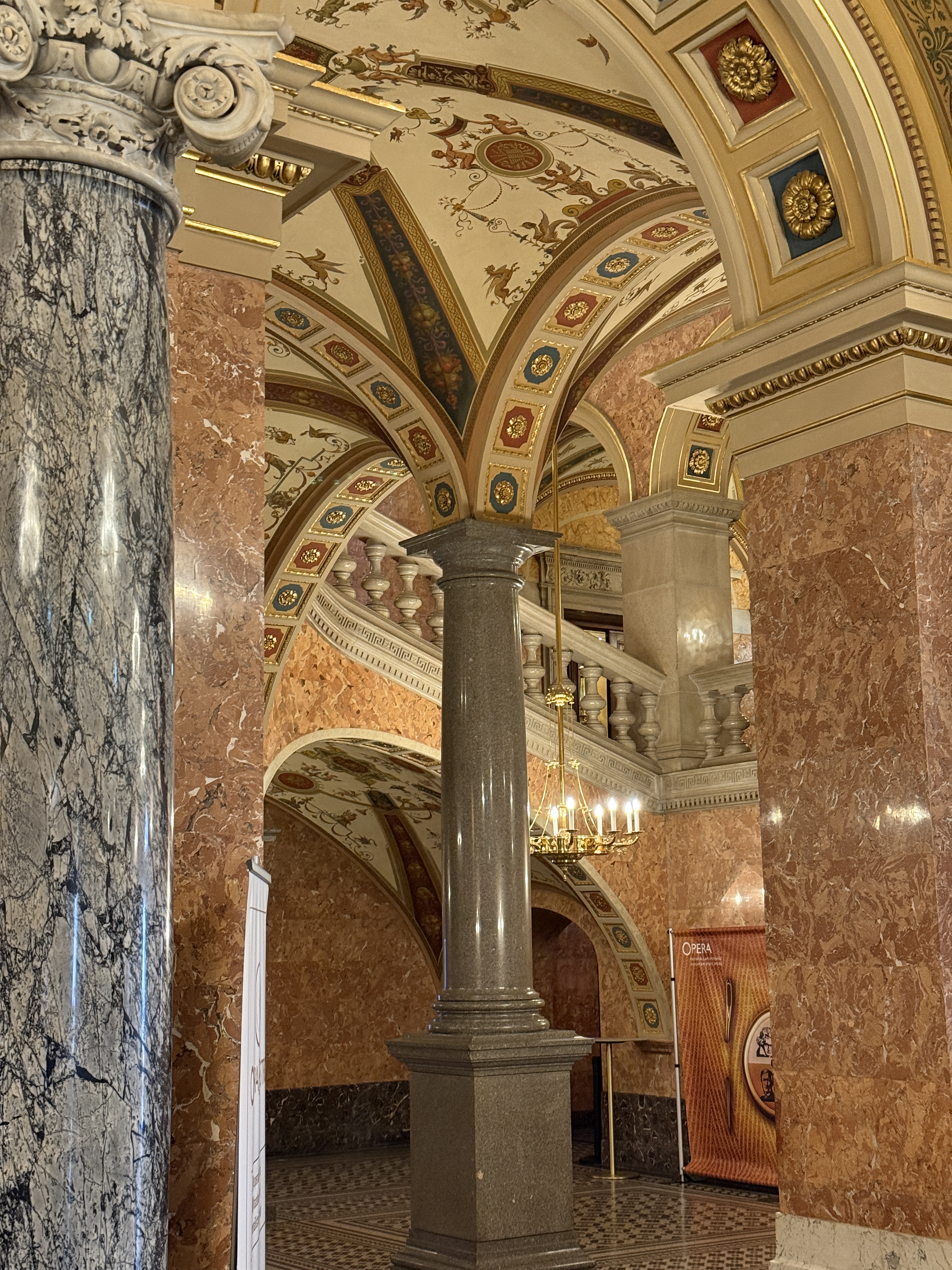

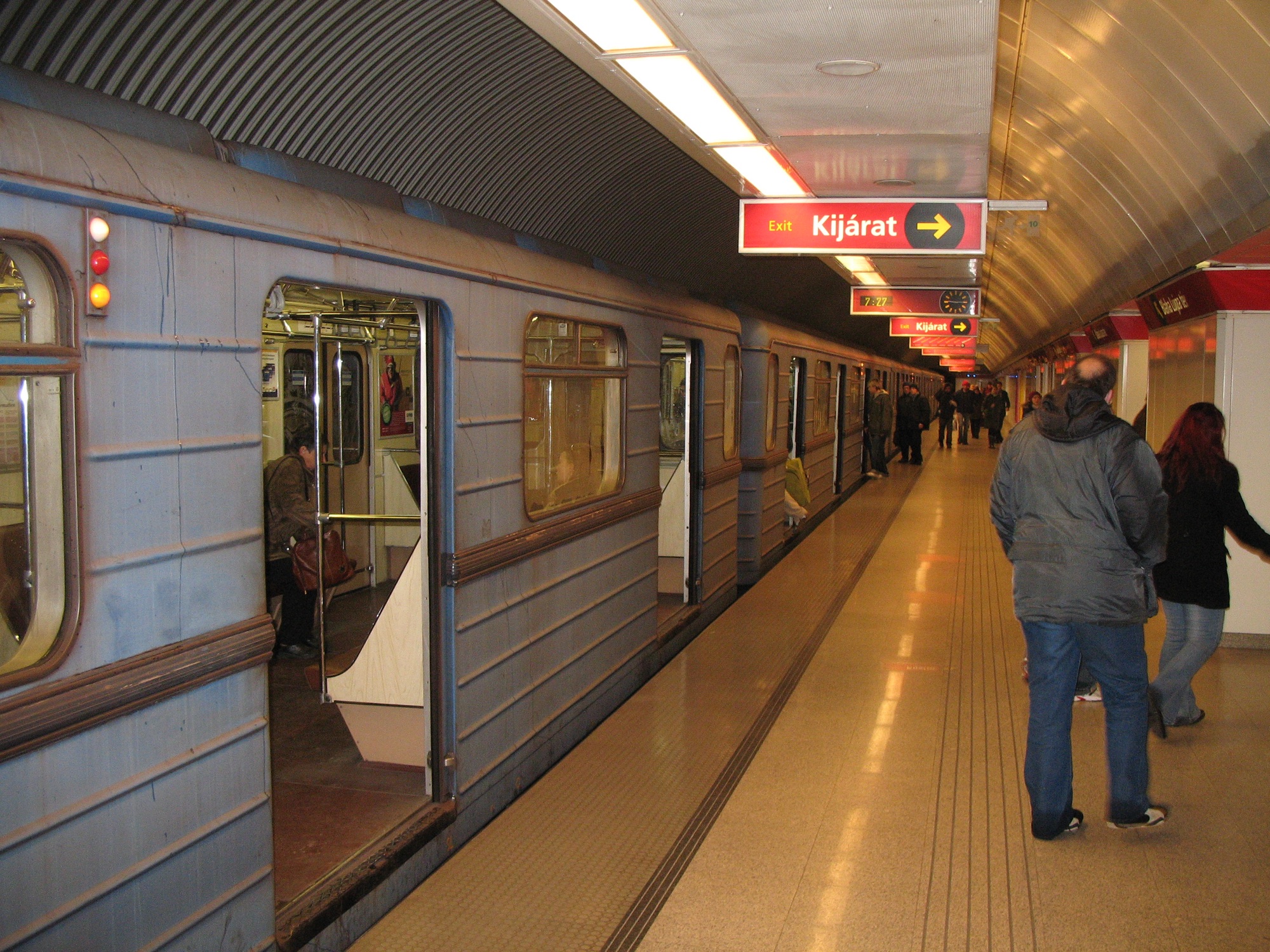
Directly beneath Andrássy Avenue runs the first metro line on the European continent. It is so old that, when it was first built, the carriages were pulled by horses. Budapest’s metro system is a topic worthy of separate study. Each line has its own story and reflects a different period in the country’s history. Their architecture and technical characteristics also differ. This first, yellow line runs just a few metres below ground, whereas the red line, which crosses the Danube and was built during the Cold War partly to serve as a shelter, descends 30–40 metres underground. Riding these metro lines in Budapest is a genuine experience.
Knowing that Andrássy Avenue looked almost the same 150 years ago as it does today is astonishing. It shows how far-sighted its planners were in bringing this avenue, the metro beneath it, and the grand buildings to life. It also makes me intensely feel how Atatürk’s vision for the capital Ankara was subsequently dismantled by those who followed him.
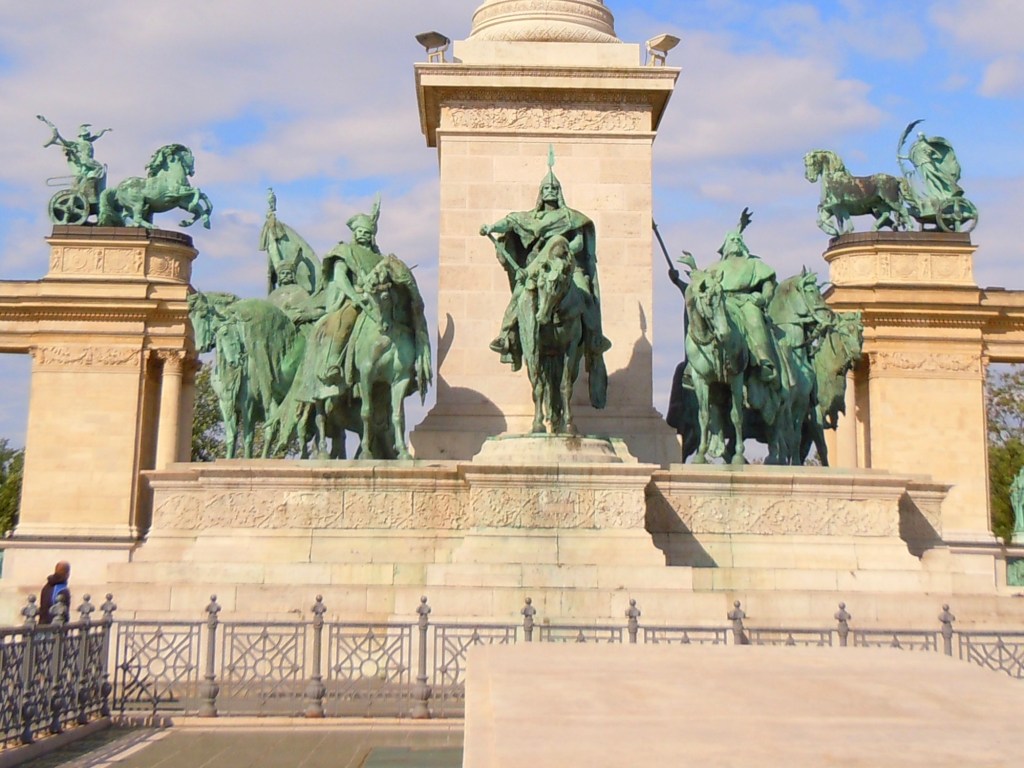
Heroes’ Square (Hősök tere) and City Park (Városliget) are among the places where one most strongly senses Hungarian history. Heroes’ Square, where Budapest’s broad avenues converge, is striking with its statues symbolizing the entry of the Hungarian nation onto the stage of history. The seven chieftains representing the Magyar tribes that came to the Carpathian Basin are immortalized here, with Árpád standing prominently at the front. The monument is a clear symbol of the Hungarians’ connection to their history and roots. Behind these seven horsemen are the statues of all Hungarian kings. Atop the tall central column stands the archangel Gabriel. He is depicted holding the Holy Crown of Hungary in one hand and the apostolic cross in the other. This representation symbolizes the belief that the Hungarian Kingdom possesses divine legitimacy.

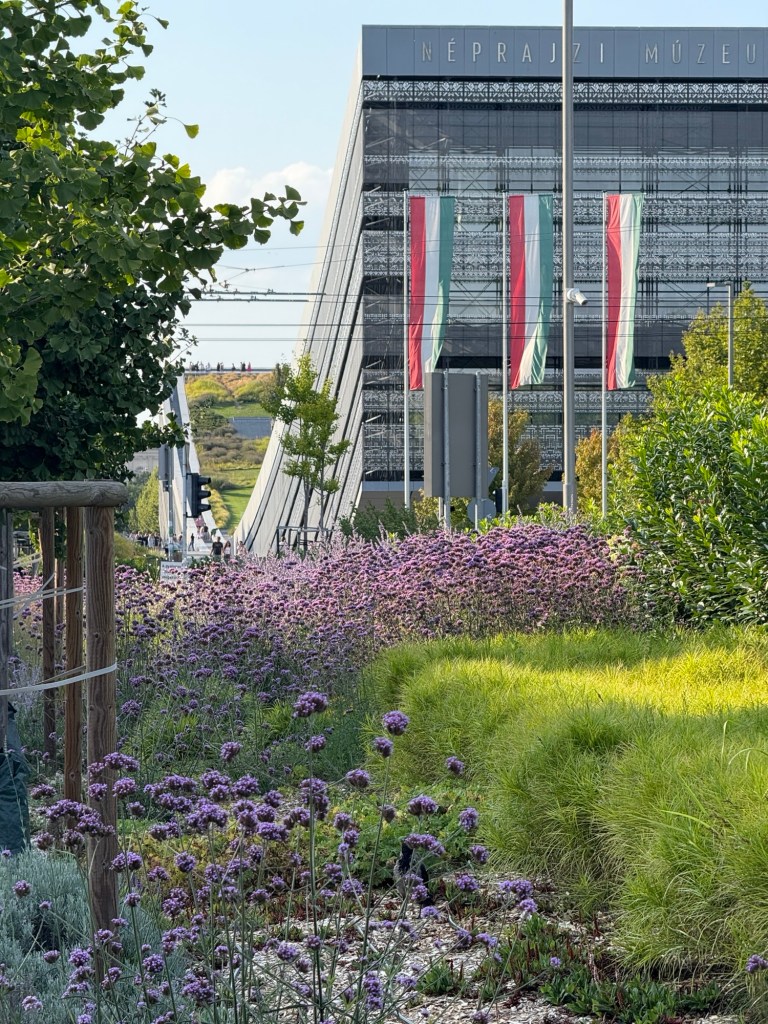
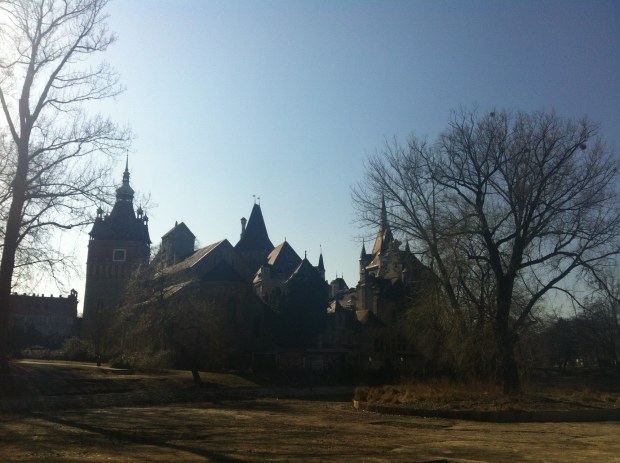
Behind Heroes’ Square lies the City Park—a perfect place to rest, with its walking paths and shady areas. You can leave all the city’s fatigue behind here. Within the park, there are important stops such as Széchenyi Baths, Vajdahunyad Castle, the zoo (Fővárosi Állat- és Növénykert), the Museum of Fine Arts (Szépművészeti Múzeum), and the Kunsthalle (Műcsarnok). The park also includes a large playground that would be the stuff of dreams for many children. It is one of the places I visit every time I come to Budapest. Within the park, there is also a replica of Vajdahunyad Castle, a historic Hungarian castle in present-day Romania built in the Gothic style.

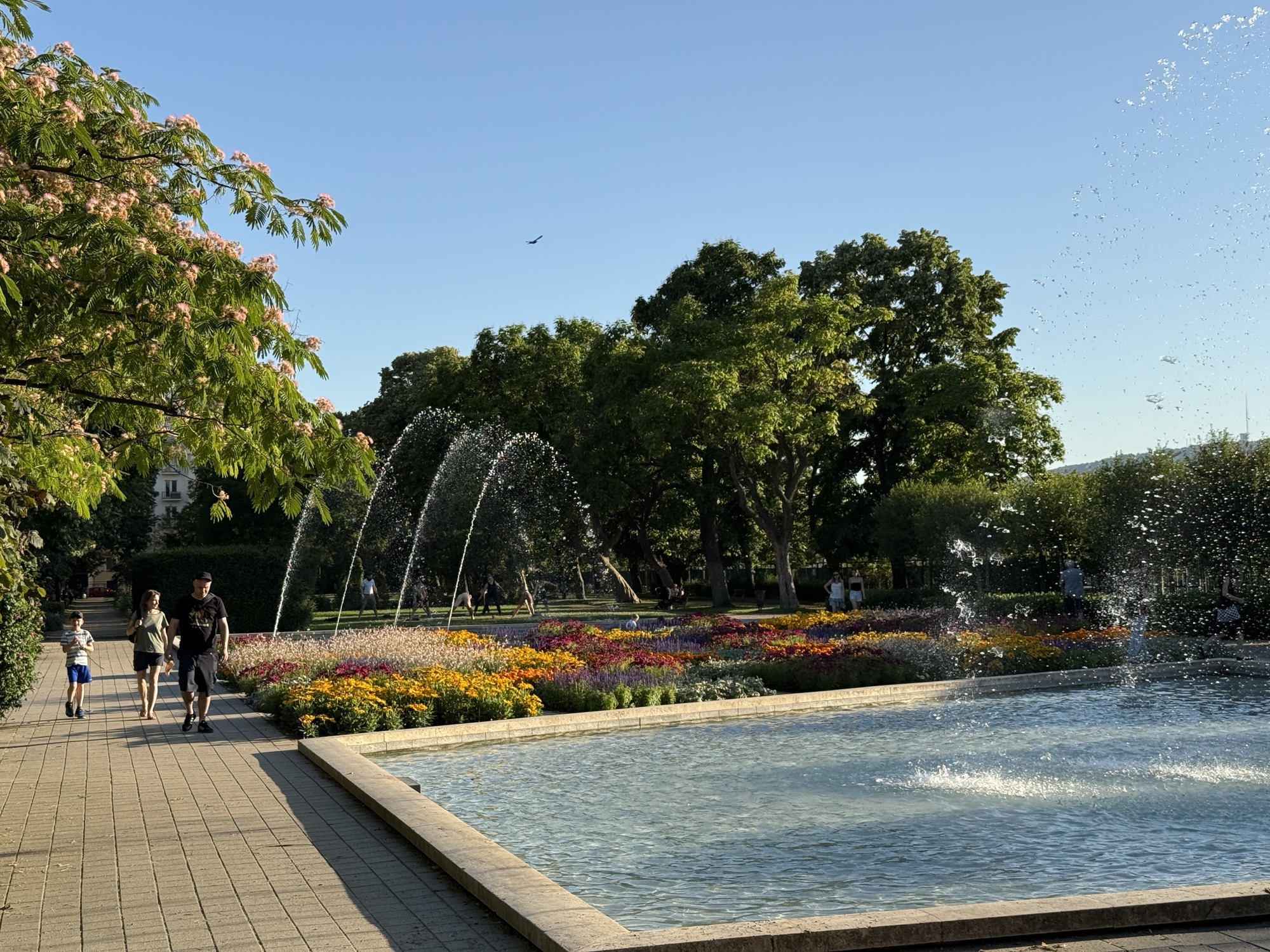
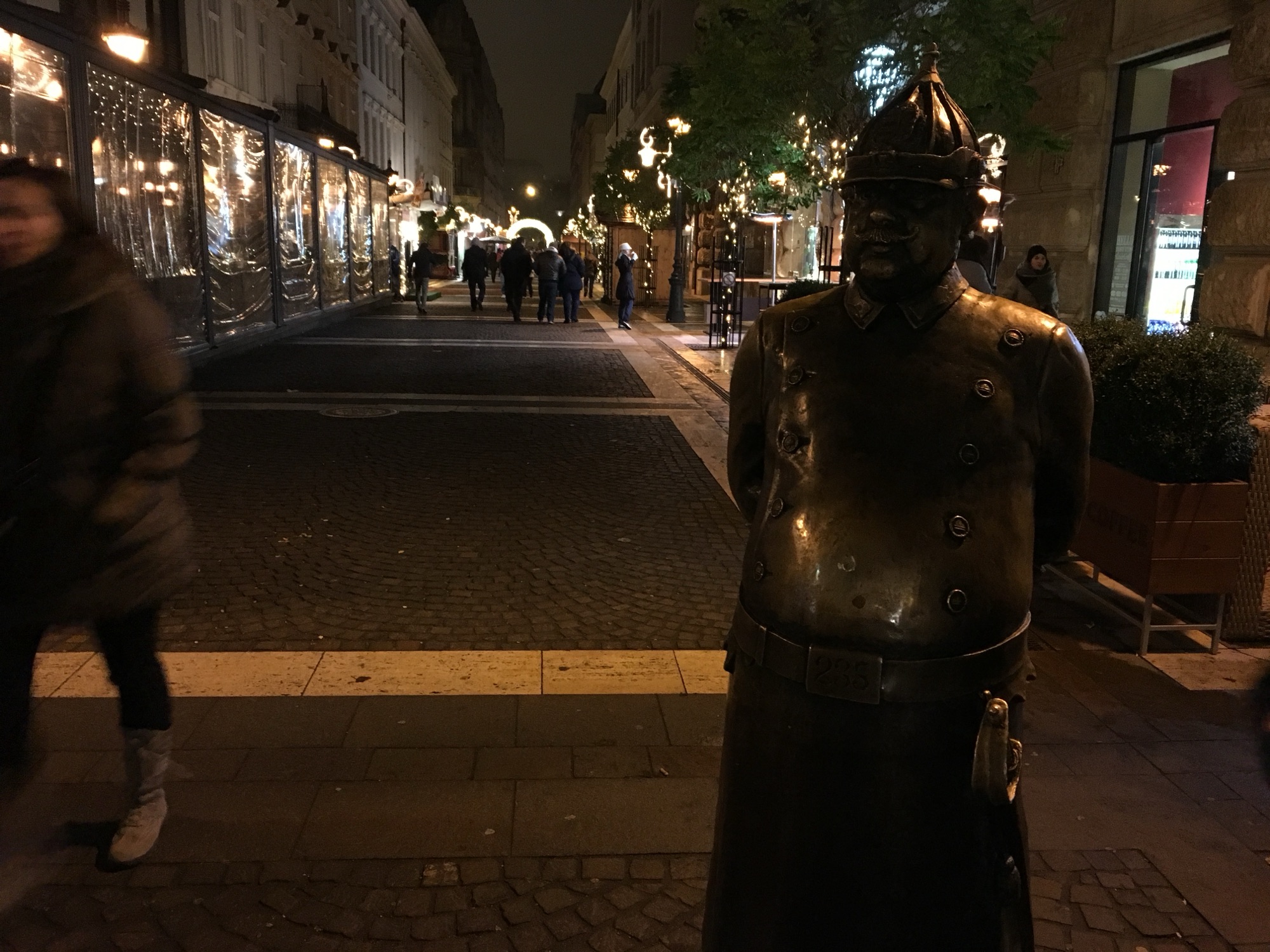
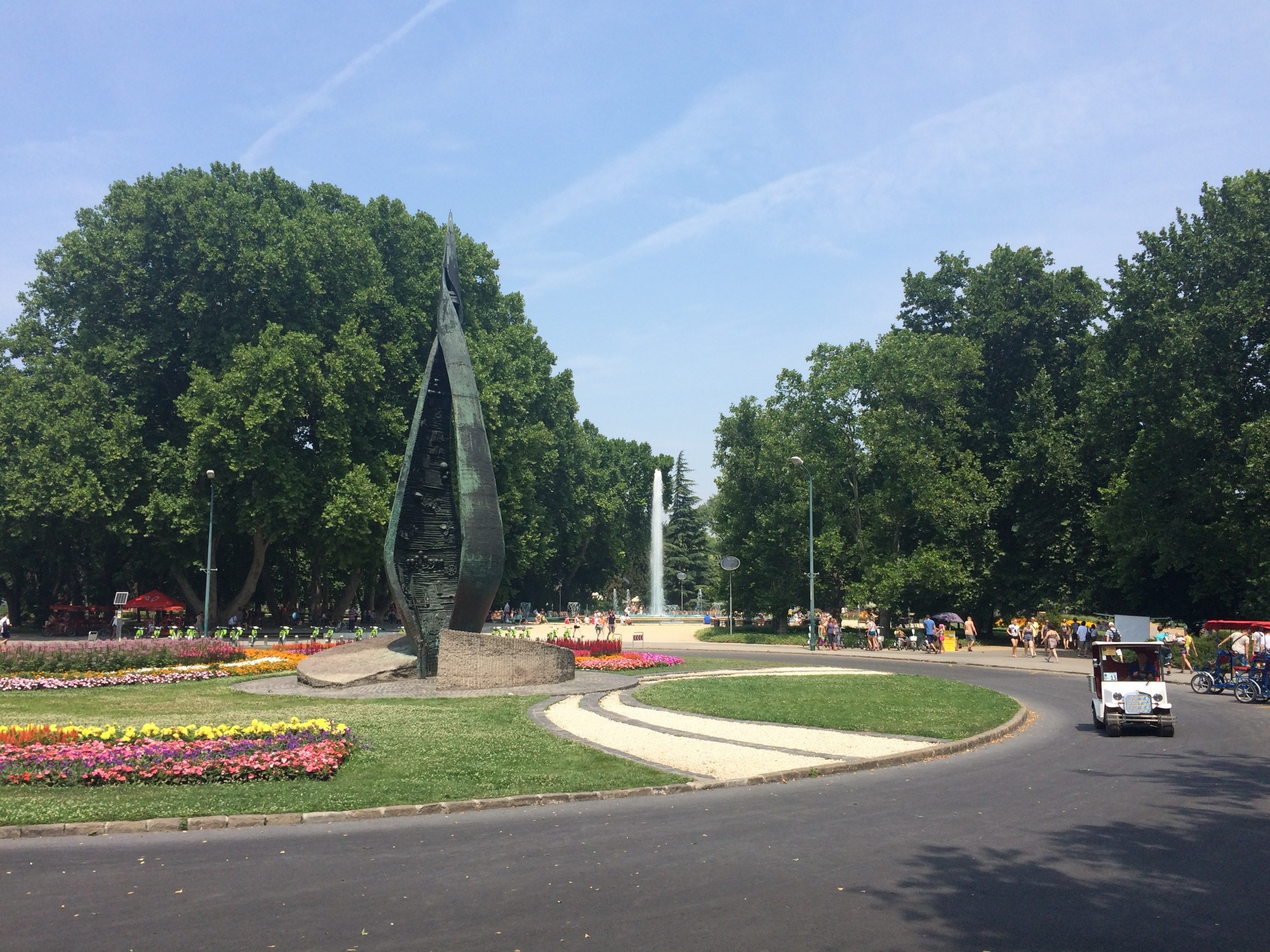
Budapest is a city of parks and statues. Every corner features an iconic sculpture, and there are countless small and large parks where one can rest. The plump Policeman Statue (Rendőr Szobor) on Zrínyi Street is one of the city’s famous figures.
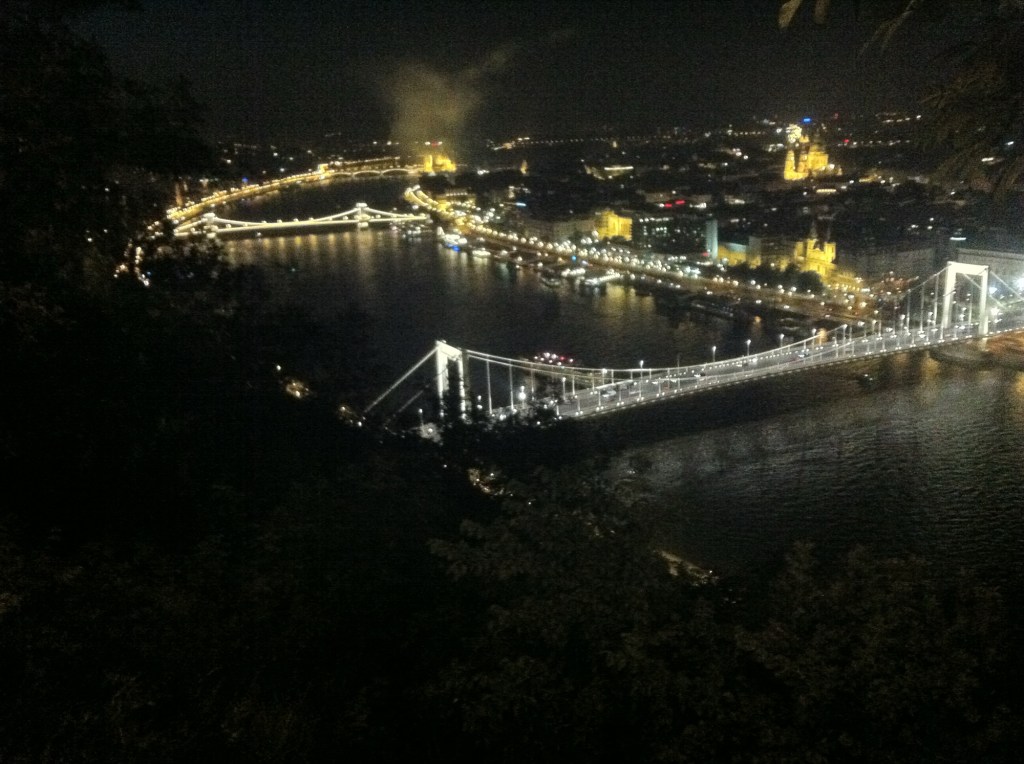
On the Buda side, Gellért Hill (Gellért-hegy), one of the city’s highest points, offers a powerful vantage point for photography both day and night. The Liberty Statue (Szabadság-szobor) at the summit is one of the monuments that tell the story of Budapest’s recent past. The statue was presented to Hungary by the Soviet Union after the Second World War.
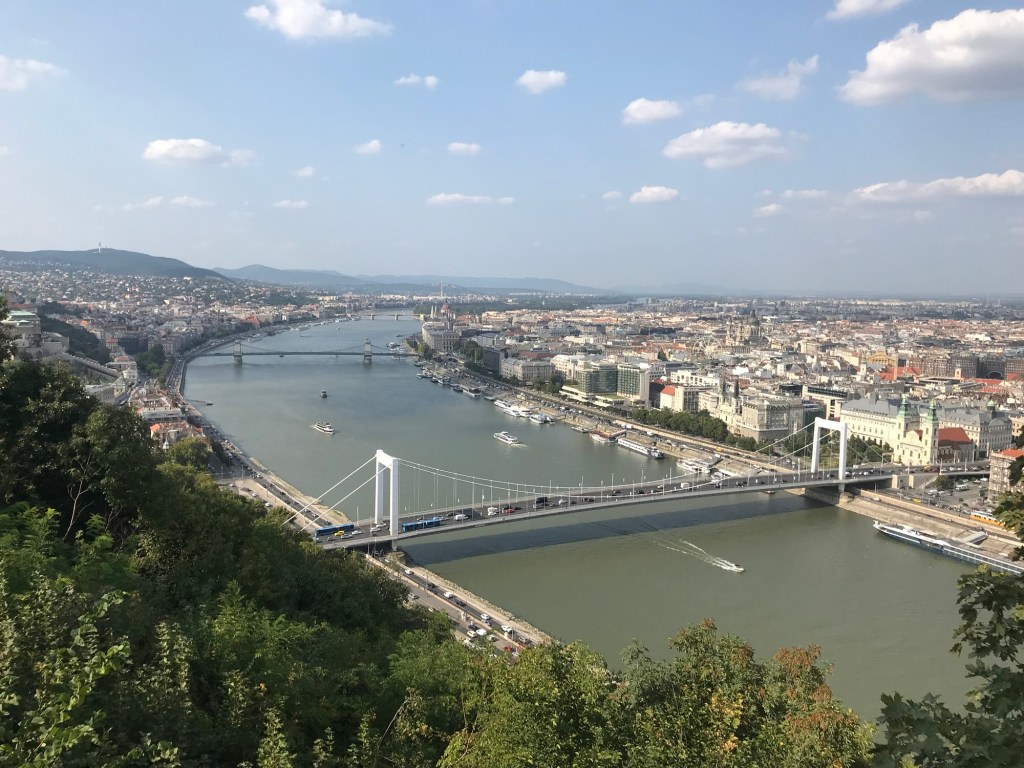
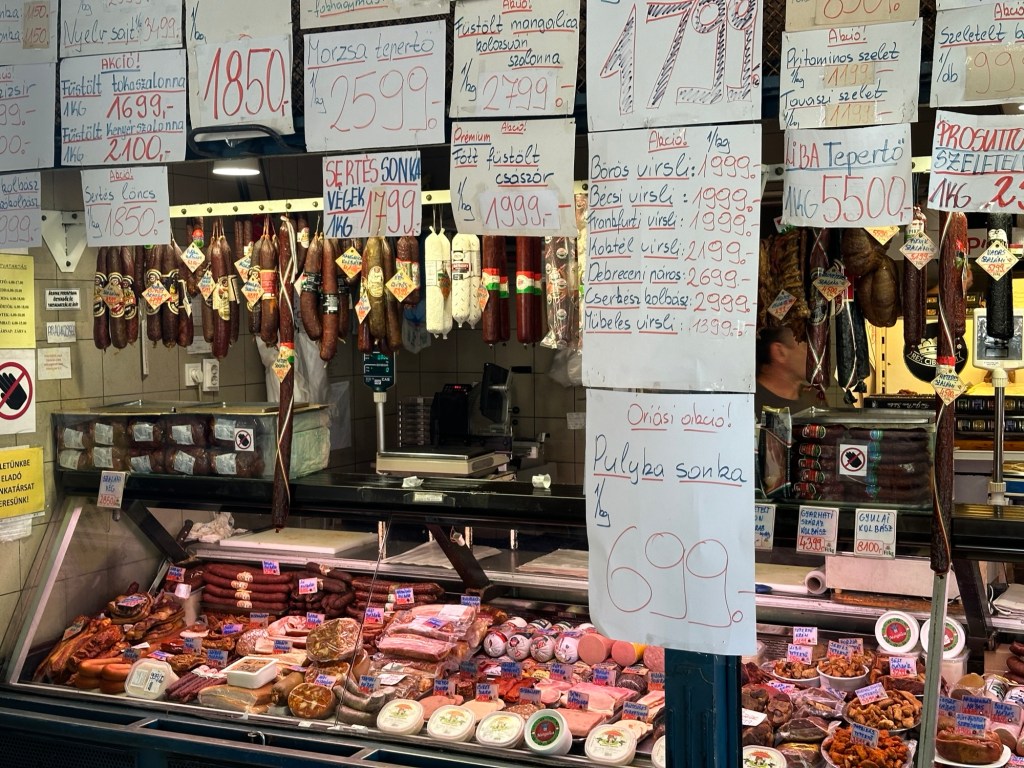
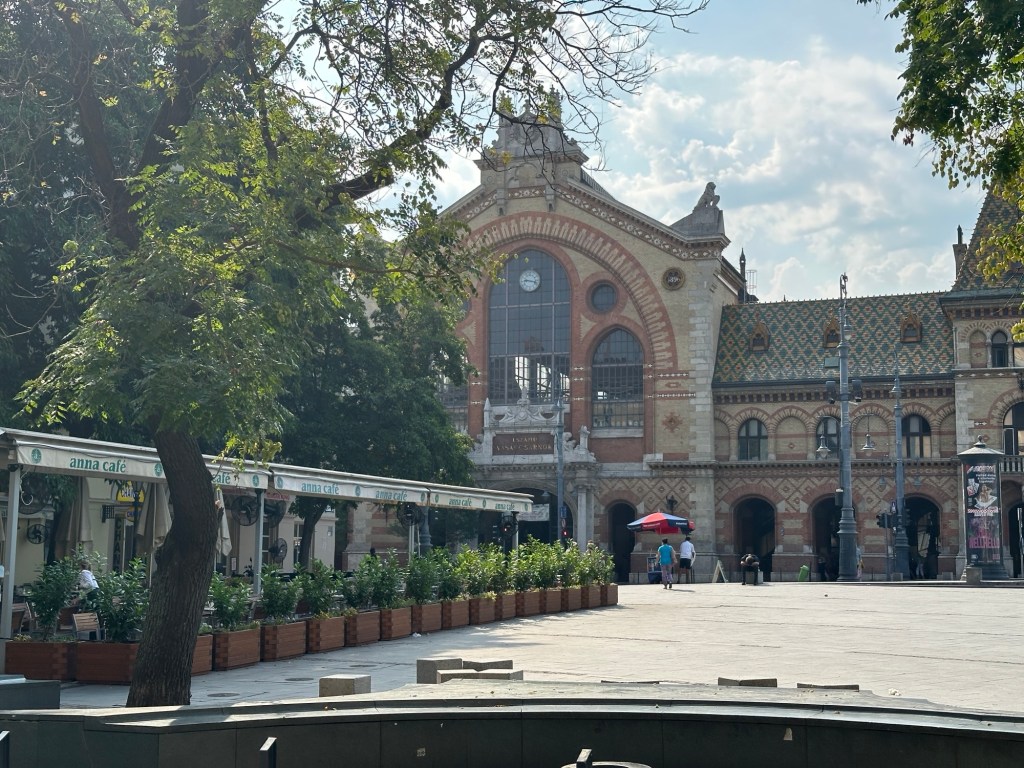
Váci Street is one of the city’s most visited pedestrian streets. With its major international brands and lively atmosphere, it has always been a center of attraction. Parallel to it, the Danube embankment (Duna-rakpart) is ideal for pleasant walks along the river. Whenever you are tired, you can sit down and enjoy a cold beer or a hot coffee in any of the many venues there. At the end of Váci Street, you reach the Central Market Hall (Nagyvásárcsarnok), the best place to explore traditional Hungarian flavors. Fresh produce, regional cheeses, varieties of paprika, and traditional pastries offer an excellent opportunity to get to know the local gastronomy.

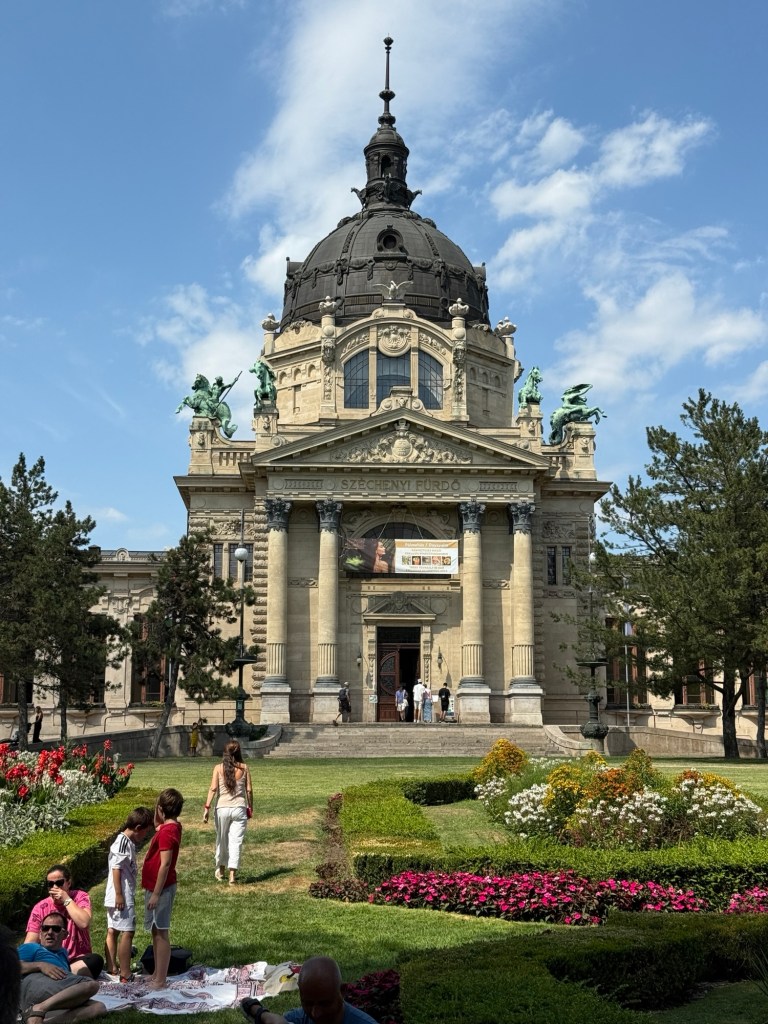
Budapest is also renowned for its rich geothermal resources. Széchenyi, Gellért, and Rudas baths are not only places to relax but also key locations for understanding the city’s historical social culture. Spending time in the open-air pools of Széchenyi in winter, while snow is falling, is one of the experiences that makes Budapest truly unique.
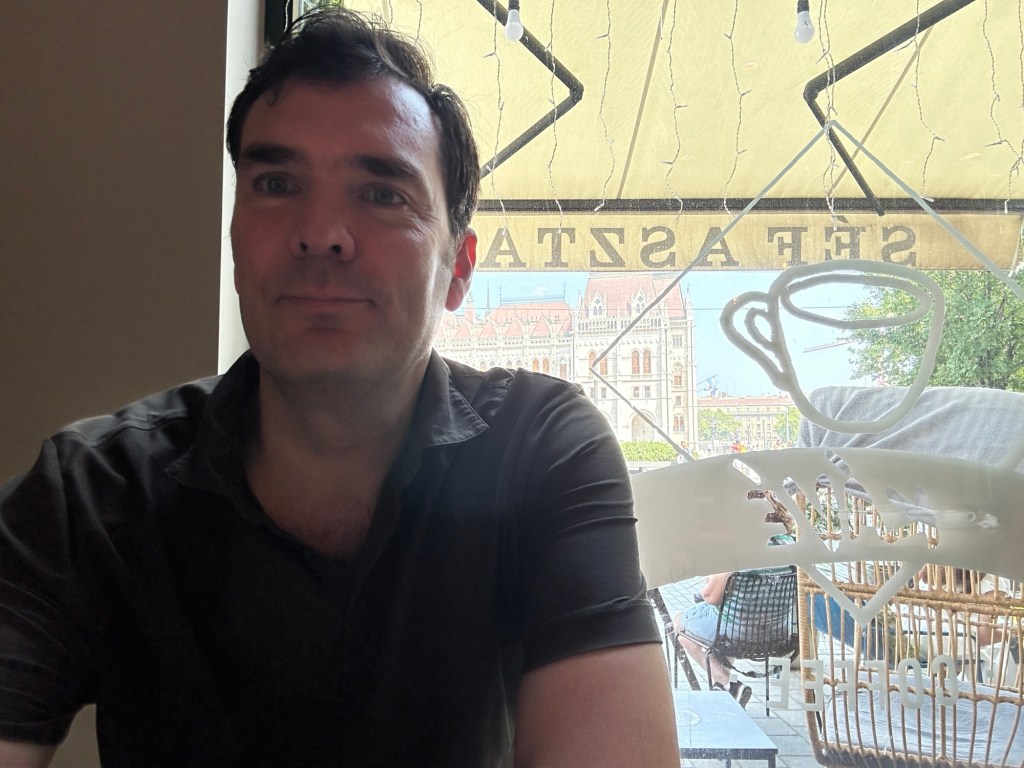
Today, Budapest offers a wide range of excellent restaurants. In these venues, one can try both Hungarian cuisine and high-quality examples of international dishes. The first food that comes to mind when one mentions Hungarian cuisine is goulash. VakVarjú étterem, on Paulay Ede Street, is a restaurant I like very much and often take my friends to when I visit Budapest with them. VakVarjú offers classic Hungarian dishes and also adapts some of them to appeal more to international travelers. There, one should definitely try goulash soup, perhaps the most famous Hungarian dish. It is also possible to try rántott hús (Hungarian schnitzel). On days when I want a good view with my meal, I often go to Séf Asztala, a café/restaurant in Kossuth Lajos Square, from where the Parliament building stands in full view right opposite. One of the things I drink most frequently there is the elderflower lemonade, a popular local beverage.
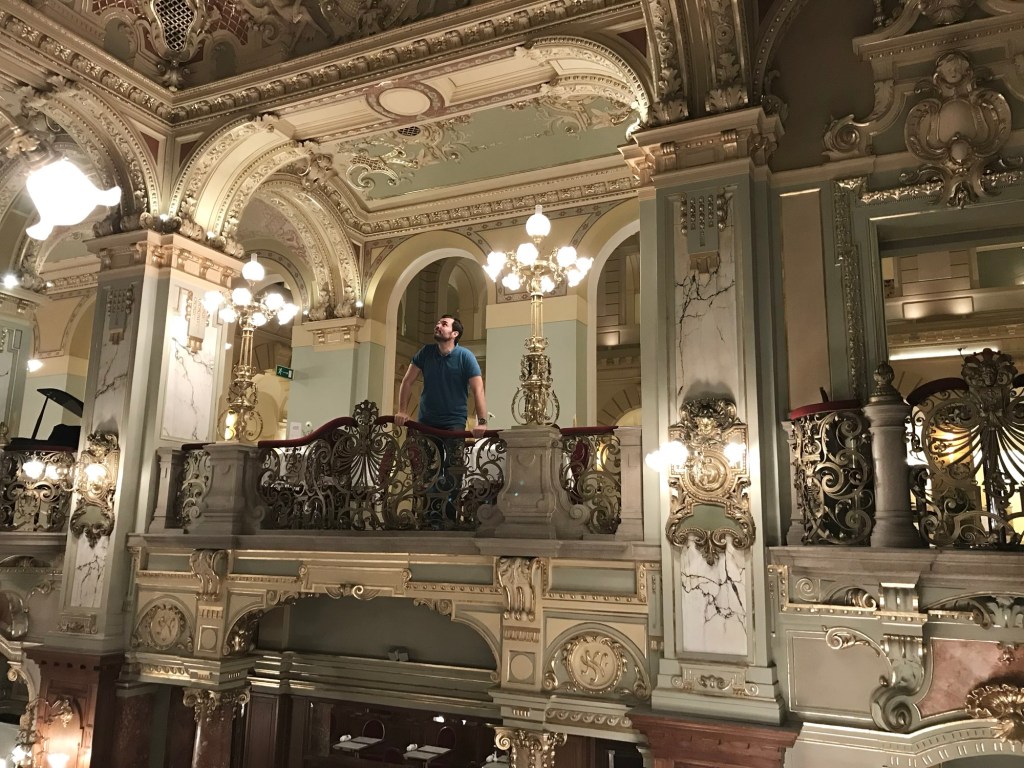
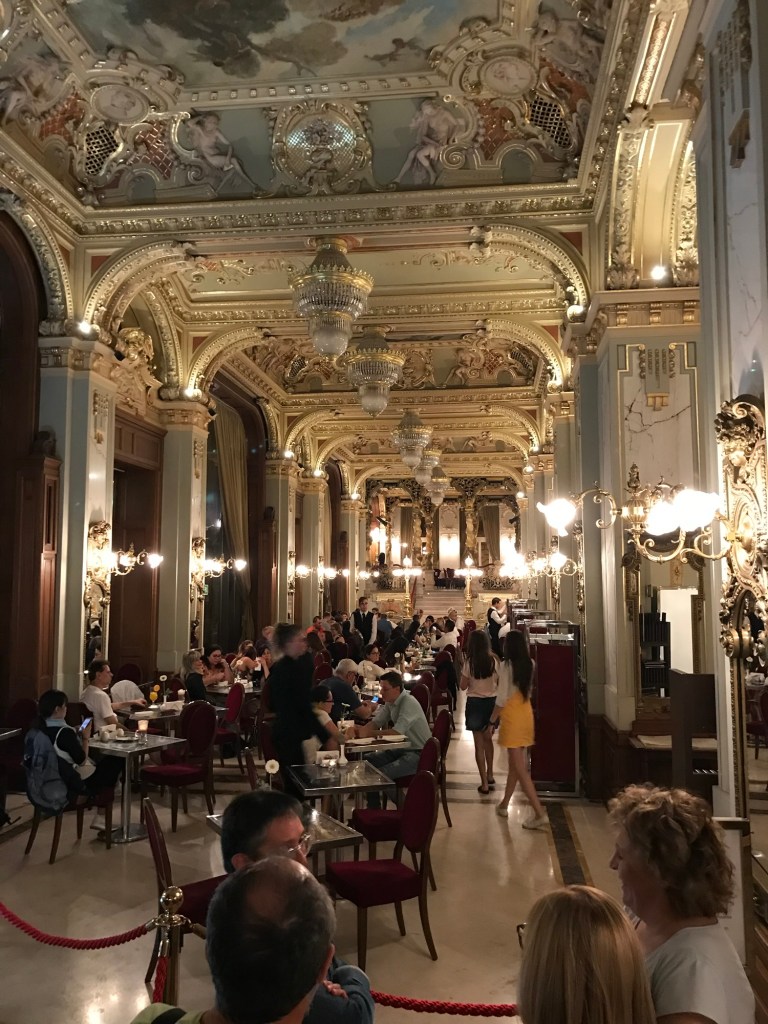
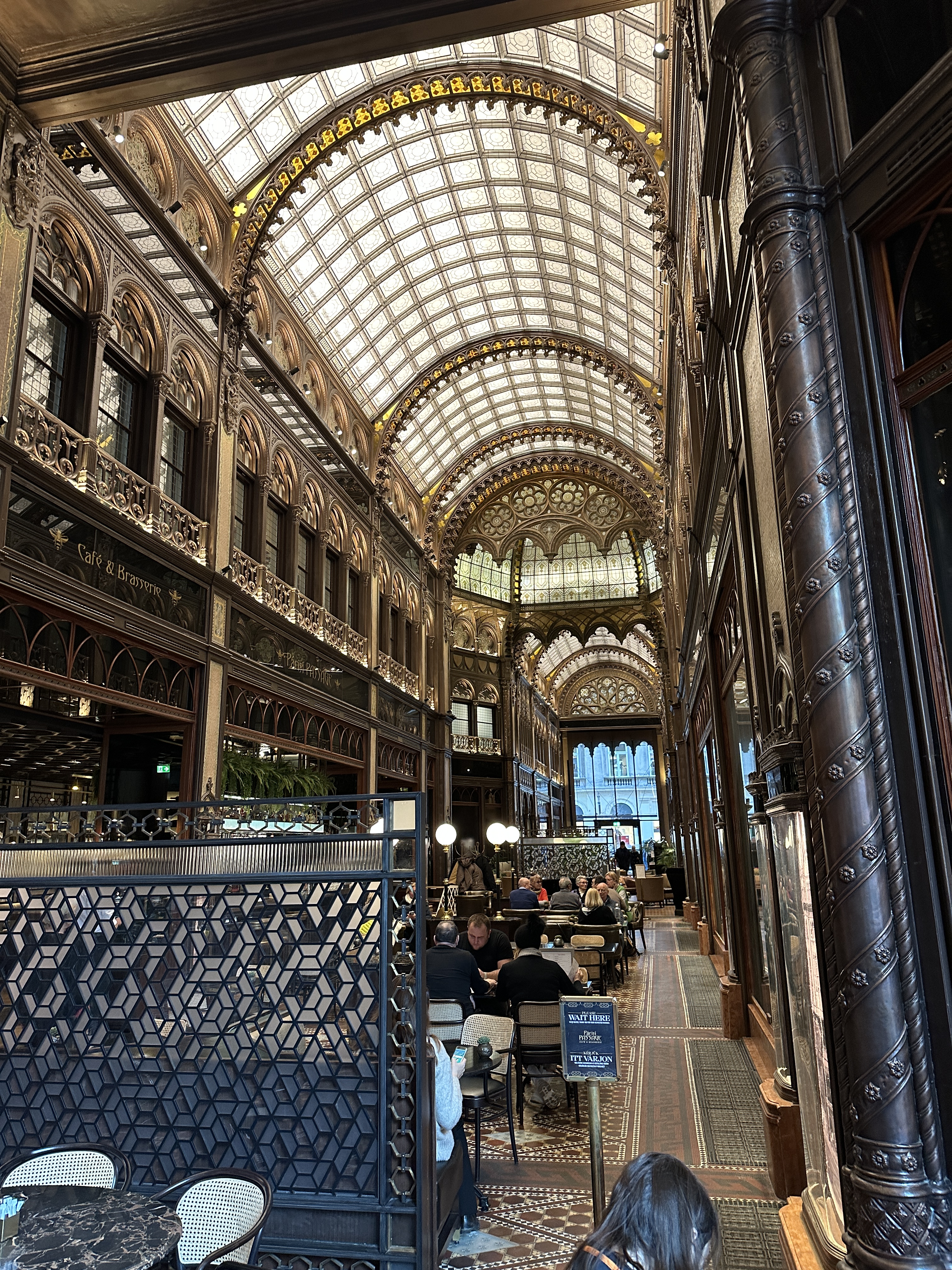
While visiting all these locations, stopping at various cafés to sample Hungarian desserts with coffee is one of the city’s great pleasures. Among the historic cafés that must be visited, Gerbeaud, Centrál Kávéház, Művész Kávéház, and New York Café stand out. New York Café, in particular, offers an atmosphere so enchanting that anyone stepping inside feels as if they are sitting in a palace; the long queues in front of it in recent times are a natural consequence of this. At Gerbeaud, Centrál Kávéház, and Művész Kávéház, the exclusive aura of 19th-century café culture is still strongly felt. Beyond these, hundreds of historic and modern cafés and restaurants, each competing with the others, await visitors.
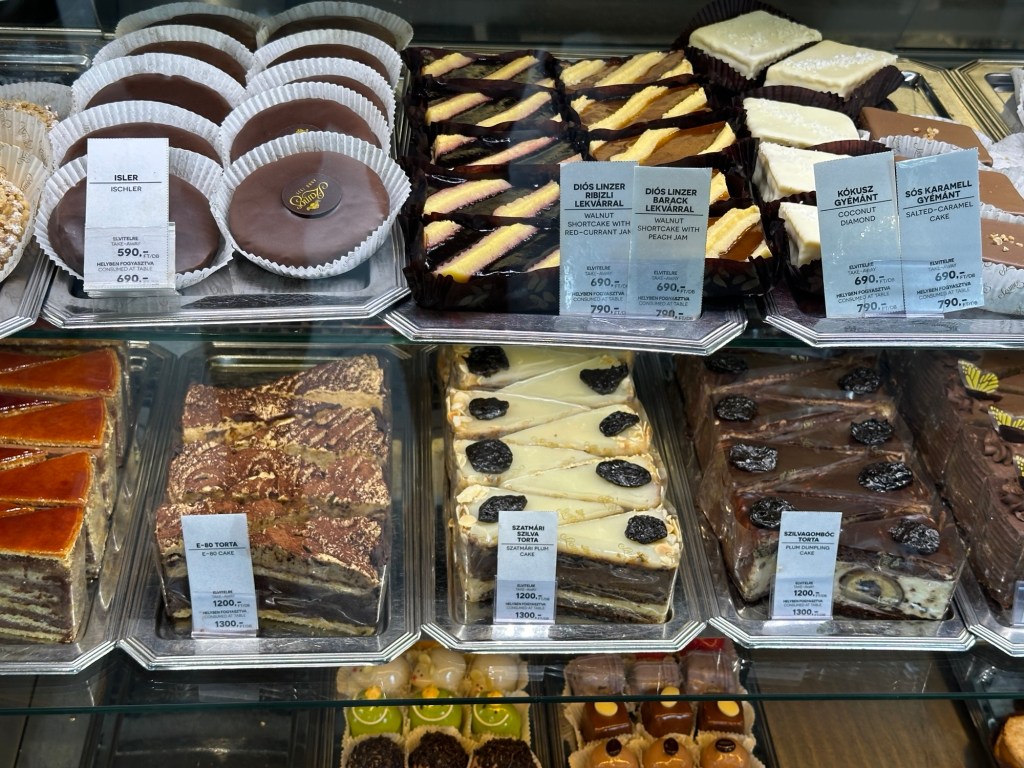
One of the places I like is Rétesház, a small dessert shop where one can enjoy the Hungarian pastry rétes. Known as strudel by the Austrians, rétes is a delightful dessert made of a thin, crispy outer dough and a filling of a cheese similar to Turkish tulum cheese combined with fruit, such as raspberry (málna). It is a flavor that aligns almost perfectly with the Turkish palate. Szamos Marcipán Cukrászda, with its view of the Parliament, is another historic café famous for its marzipan. On the upper floor, there is also a marzipan museum.
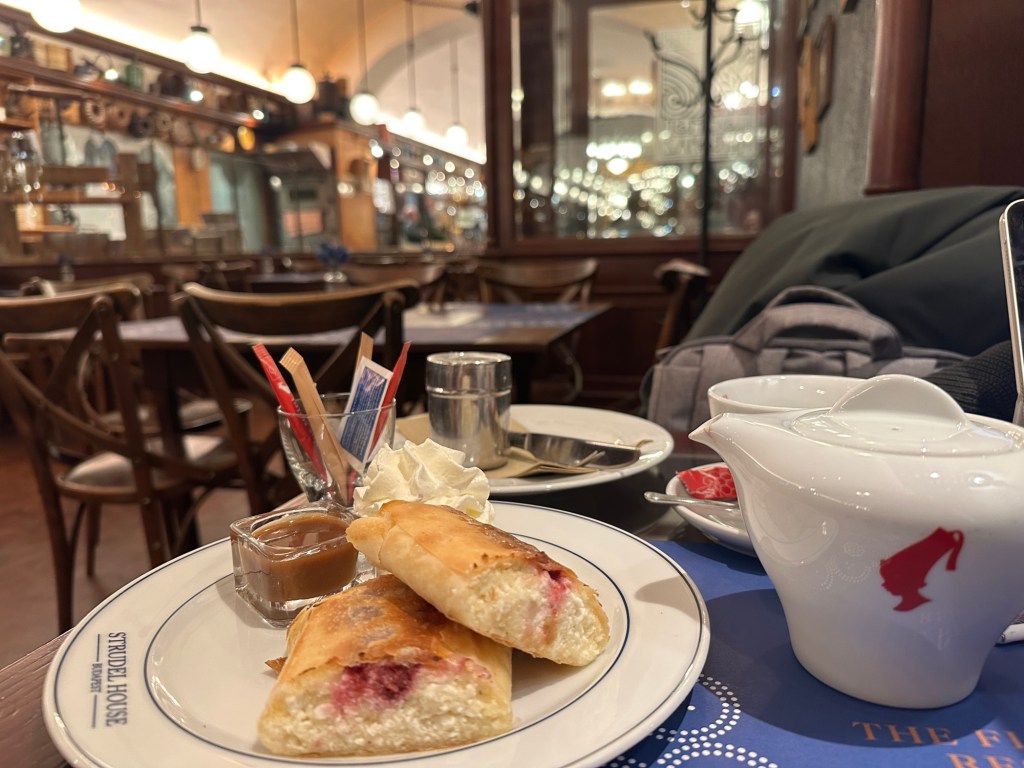
Rétes at Rétesház (January 2025)
Another café I always used to visit on my earlier trips to Budapest was Book Café. Located inside the Alexandra Bookstore on Andrássy Avenue, it was perhaps the most impressive of them all. It had a ceiling 15–20 metres high, entirely covered with paintings by Károly Lotz. Unfortunately, it closed during the COVID period and never reopened. Each time I go to Budapest, I still walk up to its door to see if it has opened again.
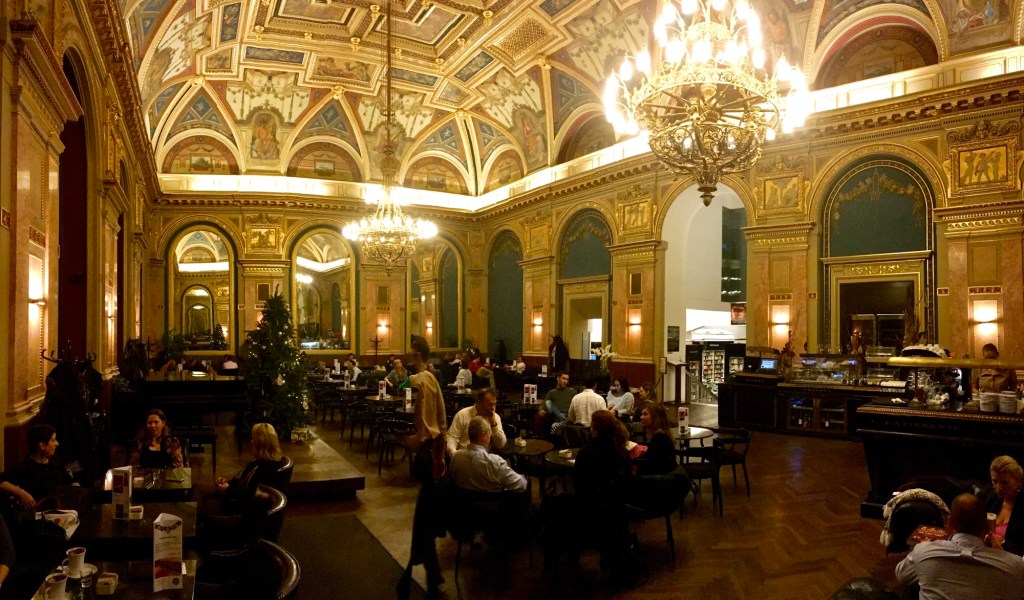
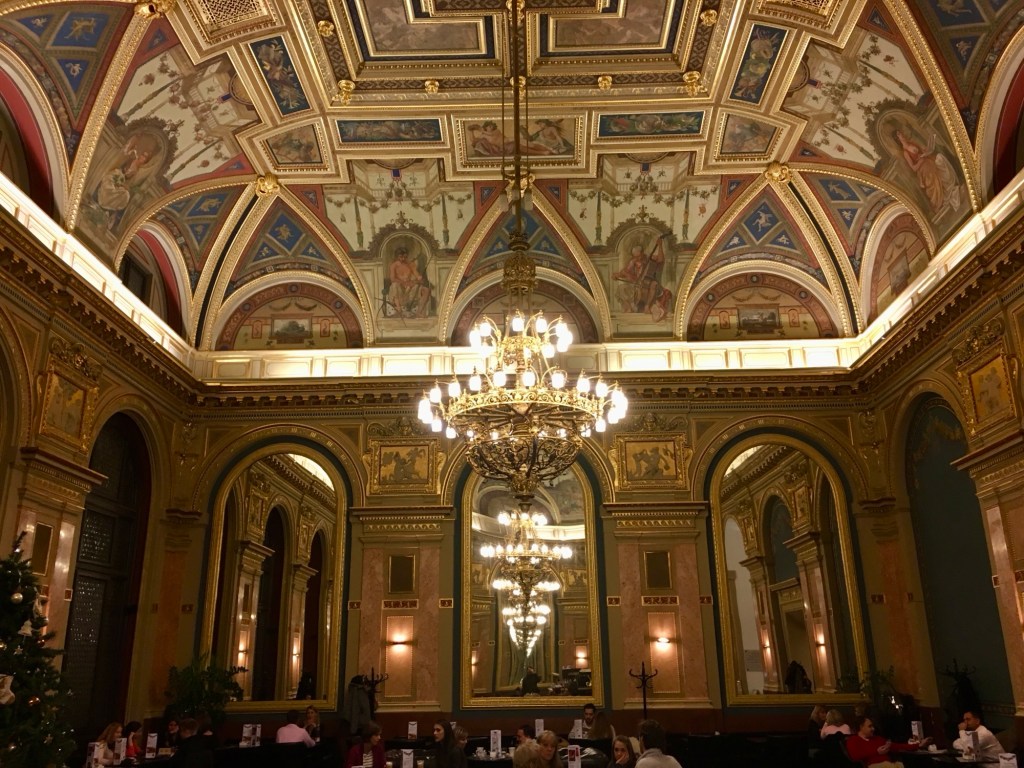
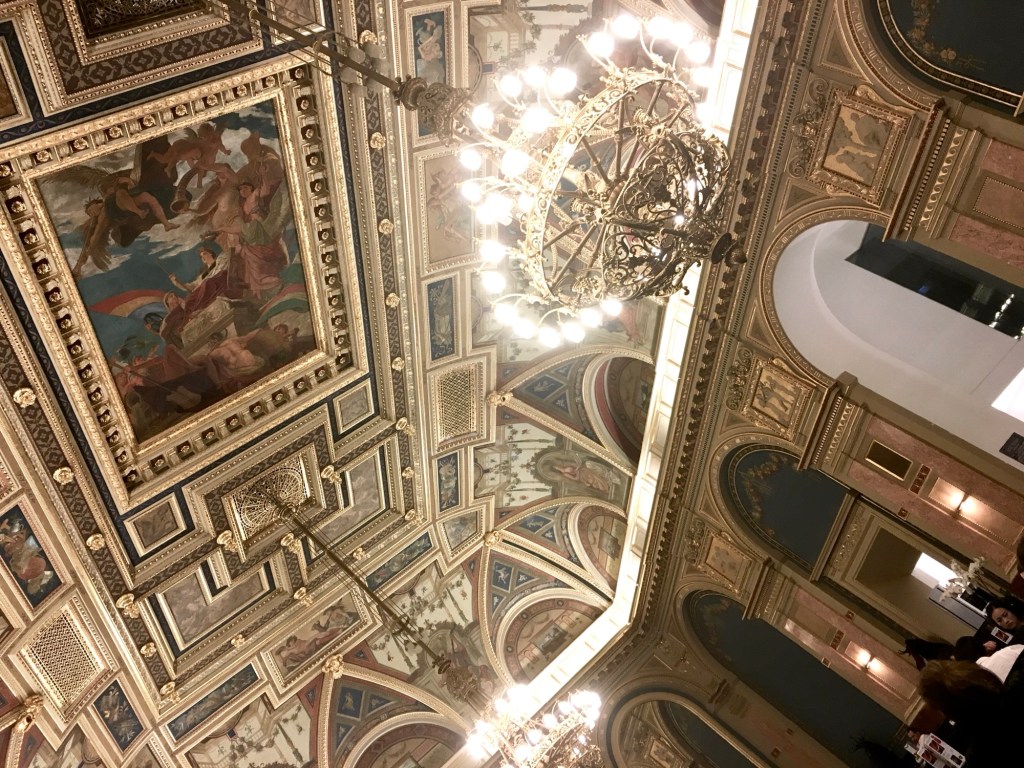
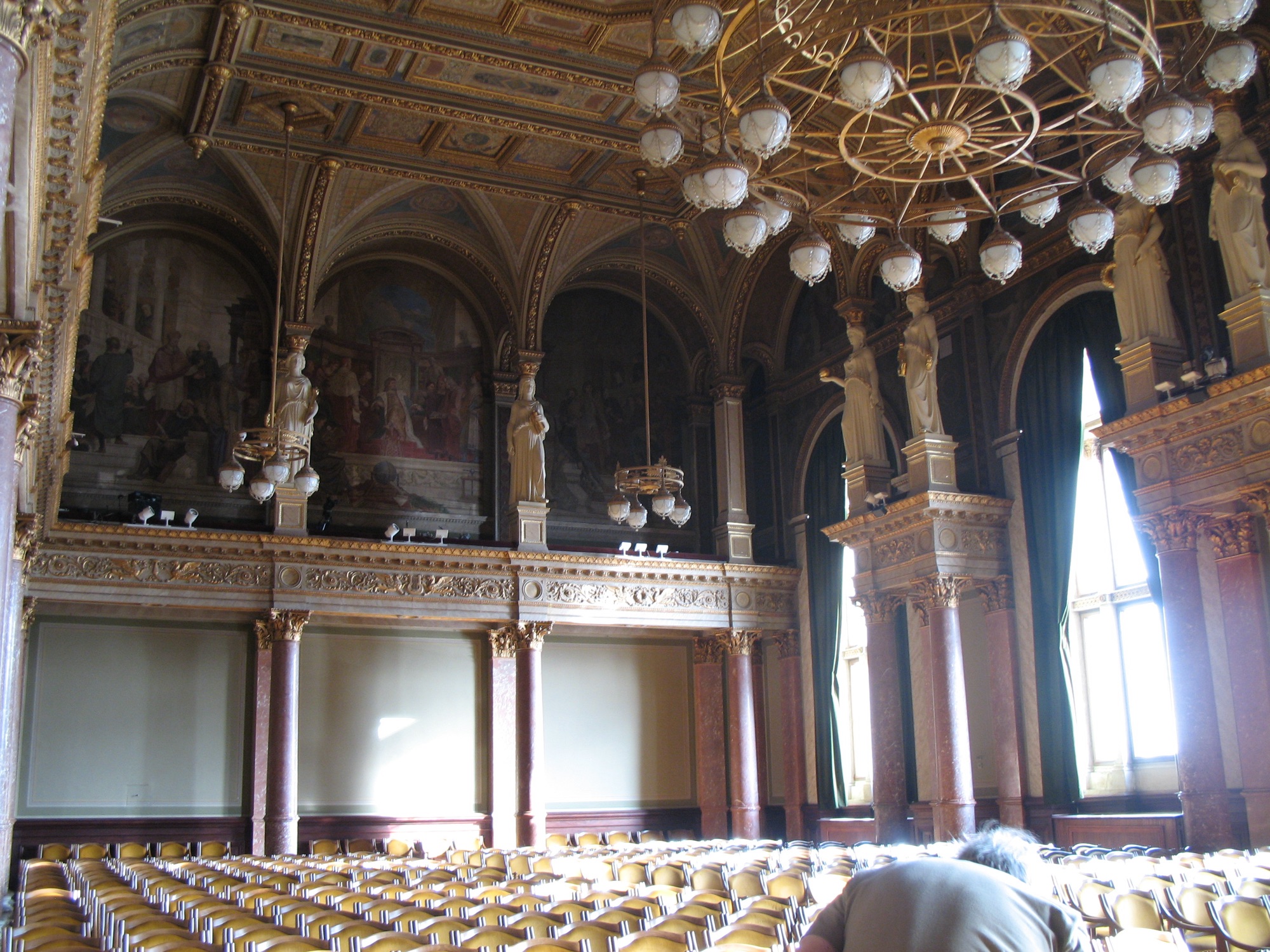
The façades of these grand buildings are not the only parts adorned with intricate craftsmanship; their interiors are often even more elaborately decorated and stunning.
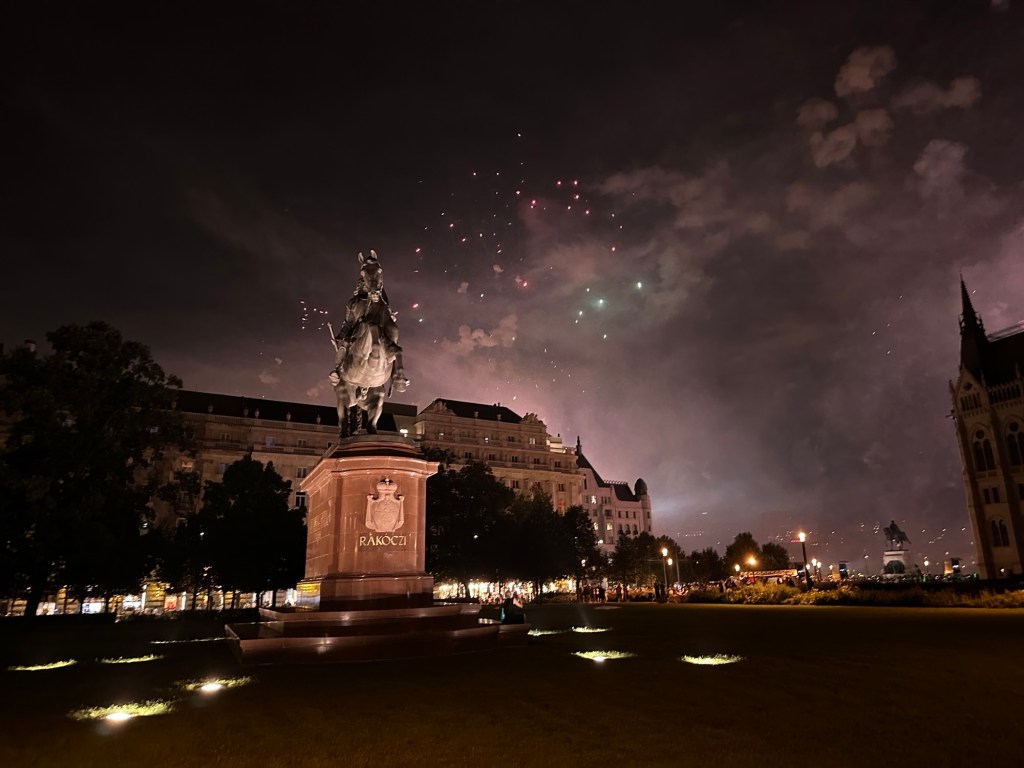
Every year on 20 August, Hungarians celebrate their most important national holiday, which has a history of more than a thousand years. This national day is celebrated in Budapest with events held in different parts of the city, and after dark, with a grand fireworks display. In the 2024 show, 40,000 fireworks were used. The displays are truly spectacular. The best place to watch them is along the banks of the Danube. In 2024, around 1.5 million people gathered along the river to watch the show. For 35 minutes, the sky was painted in different colors, sometimes blue, sometimes green, sometimes red.
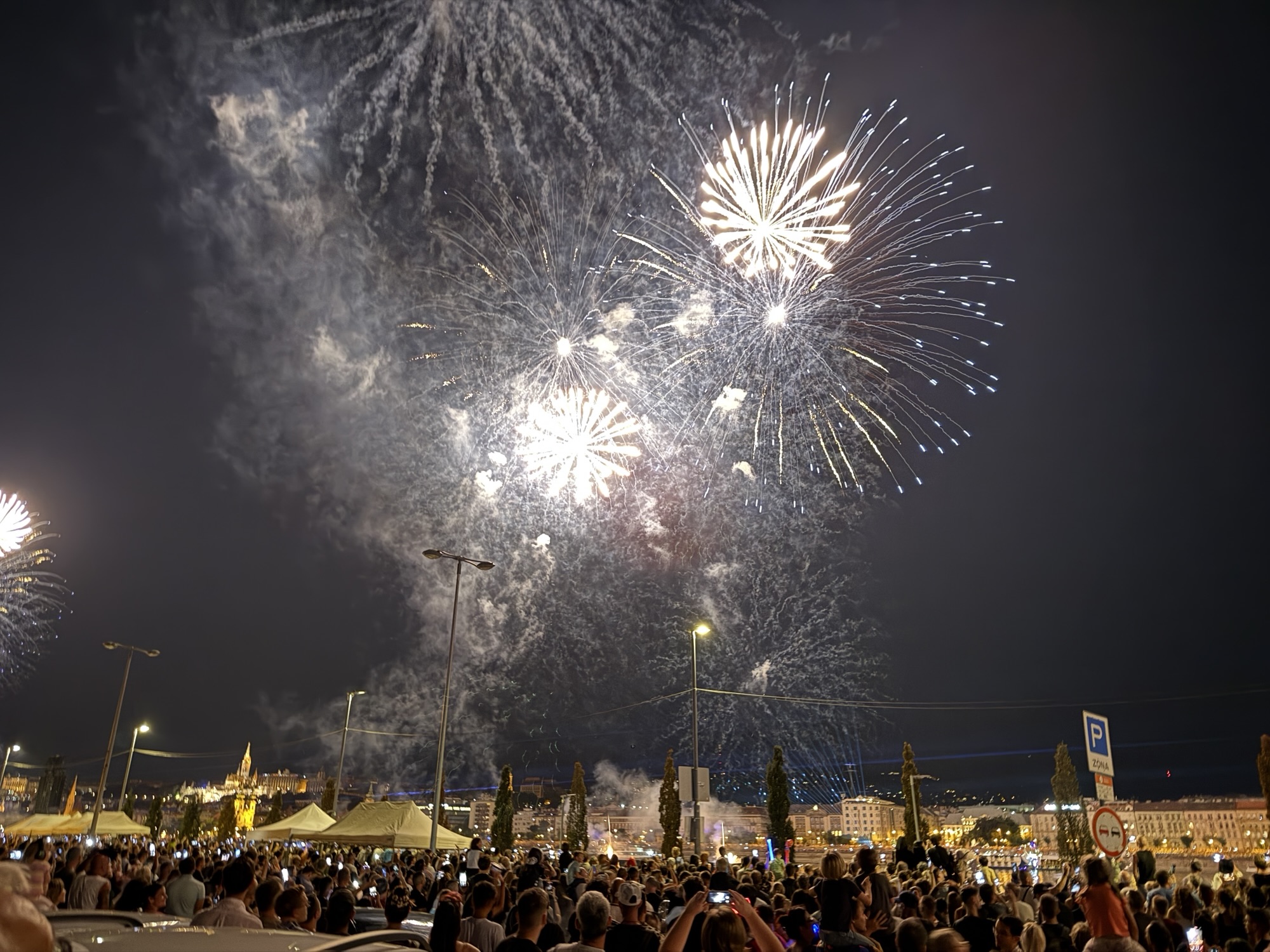
Budapest continues to be a city I rediscover with every visit. Hungary’s most important national day, St. Stephen’s Day on 20 August, with its fireworks displays; the Christmas markets set up in December; and the light shows projected onto the façade of the Basilica at New Year’s. All offer different faces of Budapest on each occasion. Children running joyfully in the City Park, eating Dobos torte while sipping coffee on Andrássy Avenue; these are some of the city’s unforgettable experiences. What makes Budapest most special for me, however, is my Hungarian wife and our two sons. Sharing the city’s beauties with my family is an indescribable feeling. Waking up together on a Sunday morning, going to St. Stephen’s Park, walking along the Danube, having breakfast on Pozsonyi Street, and later, in a quiet moment, sipping a hot coffee at a café on Andrássy Avenue, this is my Budapest.
 iki kapılı han
Yorum bırakın